Case Series - Onkologia i Radioterapia ( 2026) Volume 20, Issue 6
Photobiomodulation Therapy Mitigates Radiation-Induced Oral Mucositis in Head and Neck Cancer - A Prospective Randomized Study
K C Jyothish1*, I Yuvalakshmi2, TN Vijayasree3 and R Giridharan42Post Graduate, Department of Radiation Oncology, Madras Medical College, India
3Head of the Department, Department of Radiation Oncology, Madras Medical College, India
4Professor, Department of Radiation Oncology, Madras Medical College, India
K C Jyothish, Assistant Professor, Department of Radiation Oncology, Madras Medical College, India, Email: jyothishdr@gmail.com
Received: 05-Jun-2026, Manuscript No. OAR-26-193245; , Pre QC No. OAR-26-193245; Editor assigned: 08-Jun-2026, Pre QC No. OAR-26-193245; Reviewed: 18-Jun-2026, QC No. OAR-26-193245; Revised: 24-Jun-2026, Manuscript No. OAR-26-193245; Published: 30-Jun-2026
Abstract
Background: Oral mucositis is a frequent dose-limiting toxicity during curative head and neck radiotherapy. Photobiomodulation therapy is increasingly used as supportive care; but comparative data against standard topical therapy remain limited. Objectives: To compare 980 nm photobiomodulation therapy with 0.15% benzydamine mouthwash for the prevention and mitigation of radiation-induced oral mucositis in patients with head and neck cancer. Methods: In this prospective randomized open-label phase II study; 40 patients were assigned in a 1:1 ratio to photobiomodulation therapy or benzydamine mouthwash during curative radiotherapy or chemoradiotherapy (60–66 Gy). Oral mucositis was graded serially using the Radiation Therapy Oncology Group scale. Because the supplied workbook did not contain a harmonized numeric pain field; de novo reanalysis focused on mucositis outcomes. Results: The photobiomodulation arm showed a lower mucositis burden during treatment. At the fifth on-treatment assessment; median mucositis grade was 1 [interquartile range (IQR); 0.75–2] versus 2 [IQR; 1–2] in the benzydamine arm (p=0.037). Peak mucositis grade was also lower with photobiomodulation (median 1 [IQR; 1–2] versus 2 [IQR; 1.75–3]; p=0.025). Peak grade 2 or higher occurred in 8/20 versus 15/20 patients; and grade 3 mucositis occurred in 3/20 versus 6/20 patients. Follow-up entries were incomplete; so post-treatment recovery was summarized descriptively. Conclusions: 980 nm photobiomodulation was associated with less severe on- treatment oral mucositis than benzydamine mouthwash in this small randomized cohort. Larger trials with standardized patient-reported outcomes are needed before routine adoption.
Introduction
Head and neck squamous cell carcinoma frequently requires curative radiotherapy or chemoradiotherapy, but oral mucositis remains one of the most common dose-limiting toxicities. The injury begins with direct epithelial and submucosal damage and is amplified by oxidative stress, cytokine signaling, and secondary infection, ultimately leading to erythema, ulceration, pain, dysphagia, poor oral intake, and treatment interruptions [1,2]. Because even short breaks in radiotherapy can compromise treatment delivery, preventing or attenuating mucositis is an important supportive-care goal [1-3].
Photobiomodulation therapy has emerged as one of the most promising interventions for cancer therapy-related oral mucositis. Low-level red or near-infrared light is believed to act through mitochondrial chromophores, improving cellular bioenergetics, modulating inflammatory pathways, and supporting tissue repair and pain control [4-6]. Contemporary MASCC/ISOO guidance and WALT recommendations support photobiomodulation in selected settings, and recent systematic reviews and meta-analyses have shown reductions in mucositis incidence, severity, and pain, although the optimal wavelength, fluence, timing, and delivery method remain heterogeneous across studies [3-6].
Benzydamine hydrochloride is a commonly used topical anti-inflammatory comparator because it is easy to administer and has shown benefit in selected head and neck radiotherapy settings [7-10]. However, its effect appears more modest and context dependent in higher-intensity chemoradiotherapy, where the inflammatory and ulcerative burden is greater [7-10]. Head-to-head comparisons between photobiomodulation and benzydamine remain limited, particularly in Indian tertiary-care practice. This prospective randomized phase II study was therefore designed to compare 980 nm photobiomodulation therapy with 0.15% benzydamine mouthwash in patients receiving curative 60–66 Gy radiotherapy or chemoradiotherapy [7-10].
MATERIAL AND METHODS
Study design and ethical considerations
This prospective randomized open-label comparative clinical study was conducted in the Department of Radiation Oncology at Madras Medical College, Chennai. Institutional ethics committee approval was obtained before study initiation, and all patients gave written informed consent in their vernacular language.
Patient selection
Patients with histologically confirmed squamous cell carcinoma of the head and neck who were planned for curative radiotherapy were screened for inclusion. Eligible patients were 18 years or older, had Eastern Cooperative Oncology Group performance status 0-2, had no active baseline stomatitis or oral mucositis, and were planned for a total radiation dose of 60–66 Gy delivered with three-dimensional conformal radiotherapy or intensity-modulated radiotherapy.
Exclusion criteria included previous radiotherapy to the head and neck region, distant metastasis, severe connective tissue or photosensitivity disorders, active oral candidiasis or herpes simplex infection at baseline, and the concurrent use of another investigational mucositis-prevention agent. Randomization was performed by simple random sampling, and patients were allocated in a 1:1 ratio to photobiomodulation or benzydamine.
Interventions
All patients received oral-care counseling, including soft-bristled toothbrushing, frequent rinsing with saline or sodium bicarbonate, and avoidance of tobacco, alcohol, and spicy foods. Both interventions were initiated on day 1 of concurrent chemoradiation or radical radiotherapy.
The photobiomodulation arm received intraoral 980 nm diode laser therapy using a continuous-wave infrared probe at 500 mW/cm² and 4 J/cm² per point for 8 seconds per point. The probe was positioned approximately 1 cm from the tissue in a non-contact manner, with eye protection for both patient and operator. The hard and soft palate, bilateral buccal mucosa, ventral and dorsal tongue, and labial mucosa were irradiated three times weekly on alternate days throughout radiotherapy.
The control arm received 0.15% benzydamine hydrochloride mouthwash, 15 mL every four hours, with instructions to rinse for 1-2 minutes and avoid eating or drinking for 30 minutes afterward.
Outcomes and assessment
Patients were assessed at baseline, weekly during treatment, and at two and six weeks after completion of radiotherapy. Oral mucositis was graded using the Radiation Therapy Oncology Group scale from grade 0 to grade 4. Subjective pain was documented clinically in the source charts, but the supplied workbook did not contain a single harmonized patient-level numeric pain field; therefore, the de novo analysis focused on mucositis outcomes.
Statistical analysis
Data were analyzed using SPSS version 25.0. Continuous variables are reported as mean and standard deviation or median and interquartile range, as appropriate. Categorical variables are reported as frequencies and percentages. Between-group comparisons for mucositis grades were performed with the Mann-Whitney U test, and categorical endpoints such as grade 2 or grade 3 mucositis were compared using Fisher exact tests. Age was compared with Welch's t-test. All tests were two-sided, and p<0.05 was considered statistically significant. Missing data were not imputed. Because late follow-up entries were incomplete in the workbook, follow-up findings were summarized descriptively rather than modeled as a primary inferential endpoint.
RESULTS
A total of 40 patients were randomized, with 20 assigned to photobiomodulation and 20 to benzydamine. No losses to follow-up or exclusions from analysis were documented in the supplied manuscript and workbook (Figure 1).
Baseline age was similar between groups among documented records (58.2 ± 9.8 years in the photobiomodulation arm versus 54.6 ± 8.6 years in the benzydamine arm; p=0.253). Sex was incompletely recorded for four control patients in the workbook. Primary site distribution differed by group: the photobiomodulation arm had more oropharyngeal cases, whereas the control arm had more oral cavity and salivary gland cases (p=0.007; Table 1) [Figure 1,2] [Table 1,2].
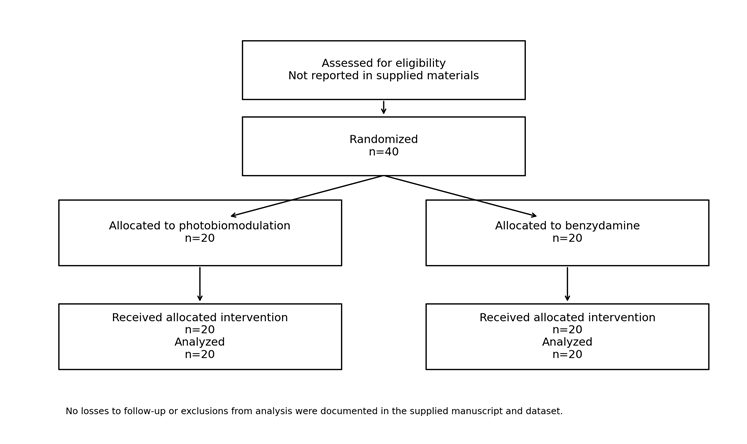
Figure 1:CONSORT flow diagram for the randomized study.
Figure 2:The mucositis trajectory is shown in Figure 2.
| Characteristic | Photobiomodulation (n=20) | Benzydamine (n=20) | P value |
|---|---|---|---|
| Age, years, mean ± SD | 58.2 ± 9.8 (n=20) | 54.6 ± 8.6 (n=16) | 0.253 |
| Age not recorded | 0 | 4 | — |
| Male sex | 16 | 12 | — |
| Female sex | 4 | 4 | — |
| Sex not recorded | 0 | 4 | — |
| Oral cavity primary | 13 | 18 | 0.007 |
| Oropharyngeal primary | 7 | 0 | |
| Salivary gland primary | 0 | 2 |
Table 1. Baseline characteristics of the study population.
Abbreviation: SD, standard deviation. Sex data were missing for four patients in the benzydamine arm.
Within the available on-treatment assessments, mucositis separated most clearly by the fifth assessment, and the photobiomodulation arm consistently showed a lower peak grade than the benzydamine arm.
| Outcome | Photobiomodulation (n=20) | Benzydamine (n=20) | P value |
|---|---|---|---|
| Fifth on-treatment assessment, median [IQR] | 1 [0.75-2] | 2 [1-2] | 0.037 |
| Peak mucositis grade, median [IQR] | 1 [1-2] | 2 [1.75-3] | 0.025 |
| Peak grade ≥2, n (%) | 8 (40.0) | 15 (75.0) | 0.054 |
| Peak grade ≥3, n (%) | 3 (15.0) | 6 (30.0) | 0.451 |
Table 2. Key mucositis outcomes.
IQR, interquartile range. Follow-up entries were incomplete in the workbook and are therefore shown descriptively in Figure 2 rather than tested formally.
DISCUSSION
This randomized phase II study suggests that 980 nm photobiomodulation attenuates the trajectory of radiation-induced oral mucositis more effectively than benzydamine mouthwash. The clinically relevant signal was not limited to a lower peak grade; the lower mucositis score at the fifth on-treatment assessment also suggests a genuine reduction in cumulative mucosal injury rather than a simple delay in the time to peak toxicity. This pattern is consistent with the broader evidence base showing that photobiomodulation can reduce the incidence and severity of oral mucositis in head and neck cancer patients receiving radiotherapy or chemoradiotherapy [3-6,11-16].
The findings are biologically plausible. Photobiomodulation is thought to influence mitochondrial energy metabolism, reactive oxygen species signaling, inflammatory transcription pathways, and local nociceptive processing, thereby promoting epithelial repair while reducing inflammatory escalation and pain [4-6,11-16,20]. Although the literature shows variation in wavelength, dosimetry, and treatment schedule, both red and near-infrared protocols have demonstrated benefit in randomized head and neck cancer studies [11-16]. The 980 nm wavelength used in this study may have been advantageous because near-infrared light can penetrate more deeply into submucosal tissues; however, the optimal protocol remains unsettled, and the balance between depth of penetration, energy density, and treatment frequency still requires refinement in future trials [4,6,16,20].
The benzydamine literature provides an important benchmark for interpretation. Randomized and comparative studies have shown that benzydamine can reduce mucositis in selected radiotherapy settings, and a recent phase IV study confirmed its feasibility in routine head and neck practice [7-10]. Even so, these benefits may not fully offset the mucosal injury associated with curative-dose head and neck radiotherapy, especially when concurrent chemotherapy is added. In the present study, photobiomodulation produced a lower mucositis burden despite the pragmatic tertiary-care setting, supporting the view that light-based biostimulation may offer stronger mucosal protection than topical anti-inflammatory therapy alone in this clinical context [7-10,17-19].
This trial has practical strengths, including random allocation, serial toxicity assessment, and delivery in a real-world oncology workflow. The main limitations are the small sample size, imbalance in primary tumor sites, incomplete late follow-up entries, and the absence of a harmonized patient-level numeric pain field in the supplied workbook. Accordingly, the current findings should be interpreted as phase II signal-generating evidence rather than definitive proof of superiority. Larger multicenter studies with prespecified stratification, standardized patient-reported outcomes, and protocol harmonization will be needed to confirm the magnitude of benefit and to define the most effective photobiomodulation parameters [5,6,17-20].
CONCLUSIONS
In this phase II randomized comparison, 980 nm photobiomodulation was associated with less severe on-treatment oral mucositis than 0.15% benzydamine mouthwash. The intervention reduced the peak mucositis burden and improved the mucositis trajectory during treatment.
These results support photobiomodulation as a promising supportive-care option for patients undergoing curative head and neck radiotherapy, but confirmation in larger trials with complete patient-reported outcome capture is needed before routine adoption.
References
- Sonis ST, Elting LS, Keefe D, Peterson DE, Schubert M, et al. Perspectives on cancer therapy-induced mucosal injury: pathogenesis, measurement, epidemiology, and consequences for patients. Cancer. 2004;100:1995-2025.
- Lalla RV, Saunders DP, Peterson DE. Chemotherapy or radiation-induced oral mucositis. Dent Clin North Am. 2014;58:341-349.
- Elad S, Cheng KKF, Lalla RV, Yarom N, Hong C, et al. MASCC/ISOO clinical practice guidelines for the management of mucositis secondary to cancer therapy. Cancer. 2020;126:4423-4431.
- Robijns J, Lodewijckx J, Puts S, Bensadoun RJ, Nair RG, et al. Photobiomodulation therapy in management of cancer therapy-induced side effects: WALT position paper 2022. Front Oncol. 2022;12:927685.
- Campos TM, do Prado Tavares Silva CA, Sobral APT, Curra M, Carrard VC, et al. Photobiomodulation in oral mucositis in patients with head and neck cancer: a systematic review and meta-analysis followed by a cost-effectiveness analysis. Support Care Cancer. 2020;28:5649-5659.
- Shen B, Zhou Y, Wu D, Liu J. Efficacy of photobiomodulation therapy in the management of oral mucositis in patients with head and neck cancer: a systematic review and meta-analysis of randomized controlled trials. Head Neck. 2024;46:936-950.
- Nugent M, Bryant V, Butcher C, Fisher H, Gill S, et al. Photobiomodulation in the management of oral mucositis for adult head and neck cancer patients receiving irradiation: the LiTEFORM RCT. Health Technol Assess. 2022;26.
- Nicolatou-Galitis O, Bossi P, Orlandi E, Bensadoun RJ, et al. The role of benzydamine in prevention and treatment of chemoradiotherapy-induced mucositis. Support Care Cancer. 2021;29:5701-5709.
- Bossi P, Tellone V, et al. Phase IV study on the use of benzydamine mouthwash in radiation-induced oral mucositis in patients with head and neck cancer. Front Oncol. 2024;14:1345129.
- Kazemian A, Kamian S, Aghili M, Hashemi FA, Haddad P. Benzydamine for prophylaxis of radiation-induced oral mucositis in head and neck cancers: a double-blind placebo-controlled randomized clinical trial. Eur J Cancer Care (Engl). 2009;18:174-178.
- Gautam AP, Fernandes DJ, Vidyasagar MS, Maiya AG, Vadhiraja BM. Low level laser therapy for concurrent chemoradiotherapy induced oral mucositis in head and neck cancer patients: a triple blinded randomized controlled trial. Radiother Oncol. 2012;104:349-354.
- Antunes HS, Herchenhorn D, Small IA, Araújo CMM, Viégas CMP, et al. Phase III trial of low-level laser therapy to prevent oral mucositis in head and neck cancer patients treated with concurrent chemoradiation. Radiother Oncol. 2013;109:297-302.
- Carvalho PAG, Jaguar GC, Pellizzon AC, Prado JD, Lopes RN, et al. Evaluation of low-level laser therapy in the prevention and treatment of radiation-induced mucositis: a double-blind randomized study in head and neck cancer patients. Oral Oncol. 2011;47:1176-1181.
- de Lima AG, Villar RC, de Castro G Jr, Antequera R, Gil E, et al. Oral mucositis prevention by low-level laser therapy in head-and-neck cancer patients undergoing concurrent chemoradiotherapy: a phase III randomized study. Int J Radiat Oncol Biol Phys. 2012;82:270-275.
- Marín-Conde F, Castellanos-Cosano L, Pachón-Ibañez J, Serrera-Figallo MA, Gutiérrez-Pérez JL, et al. Photobiomodulation with low-level laser therapy reduces oral mucositis caused by head and neck radio-chemotherapy: prospective randomized controlled trial. Int J Oral Maxillofac Surg. 2019;48:917-923.
- de Lima VHS, de Oliveira-Neto OB, da Hora Sales PH, da Silva Torres T, de Lima FJC. Effectiveness of low-level laser therapy for oral mucositis prevention in patients undergoing chemoradiotherapy for the treatment of head and neck cancer: a systematic review and meta-analysis. Oral Oncol. 2020;102:104524.
- Colella G, Boschetti CE, Vitagliano R, Colella C, Jiao L, et al. Interventions for the prevention of oral mucositis in patients receiving cancer treatment: evidence from randomised controlled trials. Curr Oncol. 2023;30:967-980.
- Harnekar SH, Prakash N, Nagarkar R, Pradeep GL, Mahajan A. Comparative evaluation of oral mucositis in oral cancer patients undergoing 3-dimensional conformal radiation therapy and intensity modulated radiation therapy with or without chemotherapy. Bioinformation. 2023;19:1121-1126.
- Mohamed NH, Kamel AM, Edress MF, Mahmoud ASS, Gaafar AIAE-H. Low level laser therapy versus benzydamine in prevention and treatment of oral mucositis induced by anticancer treatments (clinical and biochemical study). Braz Dent Sci. 2022;25:e3406.
- BakuÅa PR, JaÅocha K, ZasadziÅska M, Borowski G. Photobiomodulation as a therapeutic method for oral mucositis in cancer patients. Nowotwory J Oncol. 2025;75:279-286.