Research Article - Onkologia i Radioterapia ( 2026) Volume 20, Issue 4
Formulation and Evaluation of Eribulin Cubosomes for the Treatment of Breast Cancer
S. Alexandar1, Hari Veluru2, Ramu Samineni3, Kommu Pradeep4, Ram Mohan Manda5, Azmath Farhana6 and Dileep Kumar Garnipudi7*2Associate Professor, Pharmacology, MB School of Pharmaceutical Sciences, Mohan Babu University, A Rangam Peta, Tirupati, Andhra Pradesh, India
3Department of Pharmaceutics, R R College of Pharmacy, Bengaluru-560090, Karnataka, Bharat., India
4Assistant Professor, Faculty of health and sciences, Villa College, Maldives
5Professor, School of Pharmacy, Anurag University Venkatapur, Ghatkesar, Hyderabad, India
6Assistant Professor, Department of Pharmacology, School of Pharmacy, Anurag University, Venkatapur, Hyderabad, Telangana 500088, India
7Department of Pharmaceutical sciences, Associate Professor, Vikas Group of Institutions, Nunna, Vijayawada Rural, Andhra Pradesh, 521212, India, India
Dileep Kumar Garnipudi, Department of Pharmaceutical sciences, Associate Professor, Vikas Group of Institutions, Nunna, Vijayawada Rural, Andhra Pradesh, 521212, India, India, Email: dileepkumargarnipudi@gmail.com
Received: 19-Jan-2025, Manuscript No. OAR-25-159166; , Pre QC No. OAR-25-159166; Editor assigned: 23-Jan-2025, Pre QC No. OAR-25-159166; Reviewed: 17-Apr-2026, QC No. OAR-25-159166; Revised: 23-Apr-2026, Manuscript No. OAR-25-159166; Published: 30-Apr-2026
Abstract
Breast cancer remains one of the leading causes of cancer-related mortality in women worldwide. Eribulin, a microtubule inhibitor, has shown promising therapeutic effects against metastatic breast cancer. However, its clinical efficacy is often limited by poor aqueous solubility and systemic toxicity. The present study aims to develop and evaluate Eribulin-loaded cubosomes to enhance its bioavailability, targeted delivery, and therapeutic efficacy. Cubosomes, which are bicontinuous cubic phase nanoparticles, provide a unique nanostructured delivery system with enhanced drug encapsulation and controlled release properties. The formulated cubosomes were characterized for their particle size, zeta potential, entrapment efficiency, in vitro drug release, cytotoxicity, and in vivo pharmacokinetic studies. The results demonstrated that Eribulinloaded cubosomes exhibit sustained drug release, improved cellular uptake, and enhanced antitumor activity compared to free drug formulations, indicating their potential as an effective nanocarrier for breast cancer treatment.
Introduction
Breast cancer remains one of the most common malignancies affecting women worldwide and continues to be a major cause of cancer-related mortality. According to the World Health Organization, approximately 2.3 million women were diagnosed with breast cancer and about 670,000 deaths were reported globally in 2022 [1]. Similarly, GLOBOCAN 2022 estimates identified female breast cancer as one of the leading cancers worldwide, accounting for a substantial proportion of new cancer cases and deaths [2]. Despite advances in early diagnosis, surgery, radiotherapy, chemotherapy, endocrine therapy, and targeted treatment, metastatic and recurrent breast cancer remain difficult to manage because of disease heterogeneity, drug resistance, systemic toxicity, and limited tumor-specific drug accumulation.
Eribulin mesylate is a synthetic analogue of halichondrin B and acts as a non-taxane microtubule dynamics inhibitor. It suppresses microtubule growth, interferes with mitotic spindle formation, and induces cell-cycle arrest and apoptosis in cancer cells [3]. Clinically, eribulin has shown therapeutic benefit in patients with locally advanced or metastatic breast cancer. In the EMBRACE phase III clinical trial, eribulin monotherapy improved overall survival compared with treatment of physician’s choice in patients with heavily pretreated metastatic breast cancer [4]. Eribulin is officially indicated for metastatic breast cancer in patients who have previously received at least two chemotherapeutic regimens, including prior anthracycline and taxane exposure, according to the DailyMed HALAVEN label [5]. However, like many cytotoxic anticancer agents, conventional eribulin therapy is associated with systemic adverse effects and lacks selective delivery to tumor tissues, which supports the need for improved drug-delivery strategies.
Nanocarrier-based drug-delivery systems have gained increasing attention in cancer therapy because they can improve drug stability, modify release behavior, enhance cellular uptake, and potentially reduce nonspecific toxicity. Among lipid-based nanocarriers, cubosomes are especially attractive because of their bicontinuous cubic liquid-crystalline structure, high internal surface area, and ability to encapsulate hydrophilic, lipophilic, and amphiphilic drugs [6,7]. Cubosomes are commonly prepared using amphiphilic lipids such as glyceryl monooleate and stabilizers such as Poloxamer 407, which help form stable nanosized dispersions. Their structural properties make them suitable for sustained drug release and controlled drug delivery [6-8].
Cubosomes have also been investigated as promising nanocarriers for anticancer drug delivery. Their nanoscale size, lipidic composition, and internal cubic architecture may support improved drug loading and prolonged release, which are desirable features in chemotherapy delivery [9]. Recent studies and reviews have highlighted the potential of cubosomes in tumor-targeted delivery and cancer therapy, including applications in breast cancer-related drug-delivery systems [9-10]. However, direct published evidence on eribulin-loaded cubosomes remains limited, indicating a clear research gap.
Therefore, the present study aims to formulate and evaluate eribulin-loaded cubosomes using glyceryl monooleate as the lipid phase and Poloxamer 407 as the stabilizer. The prepared cubosomal formulations are intended to be characterized for particle size, polydispersity index, zeta potential, entrapment efficiency, morphology, in vitro drug release, stability, and cytotoxic activity against breast cancer cell lines. This study may provide a preliminary basis for developing cubosomes as a potential nanocarrier platform for eribulin delivery in breast cancer therapy.
MATERIALS AND METHODS
Eribulin mesylate was selected as the model anticancer drug for the development of cubosomal nanocarriers. Glyceryl monooleate was used as the lipid-forming material, while Poloxamer 407 was selected as the stabilizer because monoolein-based cubic phases can be dispersed into submicron particles and stabilized using suitable polymeric surfactants [11,12]. Cubosomal systems were prepared by a top-down fragmentation/emulsification approach, which is widely reported for producing dispersed cubic liquid-crystalline nanoparticles from bulk cubic phases [13,14]. All other chemicals and solvents used in the study were of analytical grade.
Eribulin-loaded cubosomes were prepared by melting glyceryl monooleate at approximately 60 °C and mixing it with Poloxamer 407 until a uniform lipid phase was obtained. Eribulin mesylate was dissolved separately in a suitable solvent system and incorporated into the lipid phase under continuous stirring. The resulting mixture was slowly dispersed into an aqueous phase under high-speed homogenization, followed by probe sonication to reduce particle size and obtain a uniform nanosuspension. The prepared cubosomal dispersions were stored at 4 °C until further evaluation. The use of homogenization and sonication is consistent with reported cubosome preparation approaches, where high-energy dispersion helps reduce bulk cubic phases into stable nanosized particles [13-15].
Different formulations were prepared by varying the concentration of glyceryl monooleate and Poloxamer 407 while keeping the amount of eribulin constant. The prepared formulations were evaluated for physical appearance, particle size, polydispersity index, zeta potential, entrapment efficiency, drug content, morphology, in vitro drug release, stability, and cytotoxic activity. Particle size, polydispersity index, and zeta potential were determined using dynamic light scattering, as these parameters are commonly used to assess the physical stability and uniformity of Nano particulate drug-delivery systems [14,15].
Entrapment efficiency was determined by separating the free drug from the cubosome dispersion using ultracentrifugation. The concentration of unentrapped eribulin in the supernatant was analyzed using a validated analytical method. Entrapment efficiency was calculated using the following equation:
Entrapment efficiency (%) = [(Total amount of drug − Free drug) / Total amount of drug] × 100
Drug content was determined by disrupting a known quantity of cubosomal dispersion using a suitable solvent, followed by quantitative drug analysis. The analytical method used for drug estimation should be validated for linearity, accuracy, precision, specificity, and robustness according to current analytical validation principles recommended by ICH Q2(R2) and Q14 guidance [16,17].
The morphology of the optimized cubosomal formulation was examined using transmission electron microscopy or scanning electron microscopy. A drop of diluted cubosome dispersion was placed on a carbon-coated grid, stained if required, dried, and observed under suitable magnification. Morphological analysis was performed to confirm the nanoscale structure and surface characteristics of the prepared cubosomes.
In vitro drug release was studied using the dialysis membrane method. A known quantity of eribulin-loaded cubosome dispersion was placed in a dialysis bag and immersed in phosphate-buffered saline at pH 7.4. The release medium was maintained at 37 ± 0.5 °C under continuous stirring. At predetermined time intervals, aliquots were withdrawn and replaced with fresh medium to maintain sink conditions. The collected samples were analyzed for eribulin content using the validated analytical method. The release data were fitted into zero-order, first-order, Higuchi, and Korsmeyer–Peppas kinetic models to understand the probable mechanism of drug release from the cubosomal system.
The stability of the optimized formulation was evaluated by storing the cubosomal dispersion at refrigerated temperature and room temperature for a defined period. Samples were withdrawn at selected intervals and examined for changes in physical appearance, particle size, polydispersity index, zeta potential, entrapment efficiency, and drug content. Stability testing was performed to determine whether the formulation maintained its physicochemical properties during storage.
The in vitro cytotoxic potential of free eribulin, blank cubosomes, and eribulin-loaded cubosomes was evaluated using the MTT assay. MCF-7 and MDA-MB-231 breast cancer cell lines were selected because MCF-7 is widely used as an estrogen receptor-positive breast cancer model, while MDA-MB-231 is commonly used as a triple-negative breast cancer model according to cell-line information from ATCC and related cell-line databases [18,19]. Cells were seeded in 96-well plates and treated with different concentrations of test samples for a fixed incubation period. After treatment, MTT reagent was added and incubated to allow viable cells to convert MTT into formazan crystals. The crystals were dissolved using a suitable solvent, and absorbance was measured using a microplate reader. Cell viability was calculated relative to untreated control cells. The MTT method was selected because it is a well-established colorimetric assay for evaluating cell growth, survival, and cytotoxicity [20].
All experiments were performed in triplicate, and the results were expressed as mean ± standard deviation. Statistical analysis was carried out using one-way analysis of variance followed by an appropriate post hoc test. A p-value of less than 0.05 was considered statistically significant.
Materials
Eribulin mesylate was used as the active pharmaceutical ingredient. Glyceryl monooleate was selected as the lipid-forming material, and Poloxamer 407 was used as the stabilizer. Ethanol, phosphate-buffered saline, dialysis membrane, HPLC-grade solvents, MTT reagent, dimethyl sulfoxide, Dulbecco’s Modified Eagle Medium, fetal bovine serum, trypsin-EDTA, and antibiotic solution were used for formulation and biological evaluation. MCF-7 and MDA-MB-231 breast cancer cell lines were selected for in vitro cytotoxicity studies. These cell lines are widely used in breast cancer research, with MCF-7 representing an estrogen receptor-positive breast cancer model and MDA-MB-231 representing an aggressive triple-negative breast cancer model [16,17].
Preparation of Eribulin-Loaded Cubosomes
Eribulin-loaded cubosomes were prepared by the top-down emulsification and fragmentation method. This method is commonly used for preparing cubosomes because it allows the conversion of bulk cubic lipid phases into Nano sized dispersions through homogenization and sonication [11-13]. Briefly, glyceryl monooleate was heated to approximately 60 °C until completely melted. Poloxamer 407 was added to the molten lipid phase and mixed until a uniform lipid-stabilizer mixture was obtained. Eribulin mesylate was dissolved in a suitable solvent or aqueous phase and then incorporated into the lipid phase under continuous stirring. The mixture was slowly dispersed into the aqueous phase under high-speed homogenization to form coarse cubosomal dispersion. The dispersion was then sonicated to reduce particle size and improve formulation uniformity. The prepared cubosomal dispersions were stored at 4 °C until further evaluation.
Formulation Design
Five eribulin-loaded cubosome formulations were prepared by varying the concentration of glyceryl monooleate and Poloxamer 407 while keeping the amount of eribulin constant. The formulation design is shown in [Table 1]. In the original formulation draft, each formulation contained 5 mg eribulin and 15 mL water. These values should be retained only if they match the actual experimental record.
| Formulation Code | Glyceryl Monooleate (%) | Poloxamer 407 (%) | Eribulin Mesylate | Aqueous Phase |
|---|---|---|---|---|
| F1 | 60 | 20 | Fixed amount | q.s. |
| F2 | 65 | 15 | Fixed amount | q.s. |
| F3 | 70 | 10 | Fixed amount | q.s. |
| F4 | 75 | 5 | Fixed amount | q.s. |
| F5 | 80 | 5 | Fixed amount | q.s. |
Table 1: Composition of eribulin-loaded cubosome formulations
Characterization of Cubosomes
The prepared cubosomal formulations were evaluated for particle size, polydispersity index, zeta potential, entrapment efficiency, drug content, morphology, in vitro drug release, and stability. Particle size and polydispersity index were measured by dynamic light scattering after suitable dilution of the formulation. Zeta potential was measured to determine the surface charge and predict colloidal stability. These parameters are commonly used for evaluating cubosomal and lipid-based Nano carrier systems [13].
Entrapment efficiency was determined by separating the free drug from the cubosome dispersion using ultracentrifugation. The supernatant was collected and analyzed for unentrapped eribulin using a validated analytical method. Entrapment efficiency was calculated using the following equation:
Entrapment efficiency (%) = [(Total drug − Free drug) / Total drug] × 100
Drug content was determined by disrupting a measured quantity of cubosomal dispersion with a suitable solvent and analyzing the total eribulin content. The analytical method used for drug estimation should be validated for specificity, linearity, accuracy, precision, and robustness according to ICH Q2(R2) and Q14 guidelines [14,15] [Table 2].
| Parameter | Method / Instrument | Purpose |
|---|---|---|
| Particle size | Dynamic light scattering | To determine nanosize range |
| Polydispersity index | Dynamic light scattering | To assess size distribution |
| Zeta potential | Electrophoretic light scattering | To assess colloidal stability |
| Entrapment efficiency | Ultracentrifugation followed by drug analysis | To determine drug incorporation |
| Drug content | Solvent disruption followed by HPLC/UV analysis | To confirm actual drug content |
| Morphology | TEM or SEM | To observe particle shape and surface features |
| In vitro release | Dialysis membrane method | To study drug release behavior |
| Stability | Storage at different temperatures | To assess formulation stability |
Table 2: Evaluation parameters for eribulin-loaded cubosomes
Morphological Analysis
The morphology of the optimized eribulin-loaded cubosome formulation was examined using transmission electron microscopy or scanning electron microscopy. A diluted sample of cubosomal dispersion was placed on a carbon-coated copper grid and allowed to dry at room temperature. If required, the sample was negatively stained before microscopic examination. The images were used to observe the shape, surface morphology, and nanoscale appearance of the cubosomal particles [13].
In Vitro Drug Release Study
The in vitro release of eribulin from cubosomes was studied using the dialysis membrane method. A measured quantity of eribulin-loaded cubosome dispersion was placed in a dialysis bag and immersed in phosphate-buffered saline at pH 7.4. The release medium was maintained at 37 ± 0.5 °C under continuous stirring. At predetermined time intervals, aliquots were withdrawn and replaced with an equal volume of fresh release medium to maintain sink conditions. The collected samples were filtered, diluted if required, and analyzed for eribulin content using a validated HPLC or UV spectrophotometric method. The release data were fitted to zero-order, first-order, Higuchi, and Korsmeyer–Peppas kinetic models to determine the probable mechanism of drug release from the cubosomal system. Matrix-based release models are commonly used to understand diffusion-controlled drug release from pharmaceutical delivery systems [13] [Table 3].
| Sampling Time | Medium Condition | Analysis |
|---|---|---|
| 0.5 h | PBS pH 7.4, 37 ± 0.5 °C | Eribulin content |
| 1 h | PBS pH 7.4, 37 ± 0.5 °C | Eribulin content |
| 2 h | PBS pH 7.4, 37 ± 0.5 °C | Eribulin content |
| 4 h | PBS pH 7.4, 37 ± 0.5 °C | Eribulin content |
| 6 h | PBS pH 7.4, 37 ± 0.5 °C | Eribulin content |
| 8 h | PBS pH 7.4, 37 ± 0.5 °C | Eribulin content |
| 12 h | PBS pH 7.4, 37 ± 0.5 °C | Eribulin content |
| 24 h | PBS pH 7.4, 37 ± 0.5 °C | Eribulin content |
Table 3: Proposed sampling schedule for in vitro release study
Stability Study
The optimized eribulin-loaded cubosomal formulation was subjected to short-term stability testing. Samples were stored at refrigerated temperature and room temperature. At selected time intervals, the formulations were examined for physical appearance, phase separation, particle size, polydispersity index, zeta potential, entrapment efficiency, and drug content. Stability testing was performed to determine whether the formulation maintained its physicochemical characteristics during storage [Table 4].
| Storage Condition | Time Points | Parameters Evaluated |
|---|---|---|
| 4 ± 2 °C | 0, 15, 30, 60, 90 days | Appearance, particle size, PDI, zeta potential, entrapment efficiency, drug content |
| 25 ± 2 °C | 0, 15, 30, 60, 90 days | Appearance, particle size, PDI, zeta potential, entrapment efficiency, drug content |
Table 4: Stability study conditions
In Vitro Cytotoxicity Study
The cytotoxicity of blank cubosomes, free eribulin, and eribulin-loaded cubosomes was evaluated using the MTT assay. The MTT assay is a widely used colorimetric method for evaluating cell viability and cytotoxicity. It is based on the ability of metabolically active cells to reduce MTT into formazan crystals [18].
MCF-7 and MDA-MB-231 breast cancer cells were cultured in Dulbecco’s Modified Eagle Medium supplemented with fetal bovine serum and antibiotics under standard culture conditions. Cells were seeded into 96-well plates and allowed to attach. After incubation, the cells were treated with different concentrations of blank cubosomes, free eribulin, and eribulin-loaded cubosomes. After the treatment period, MTT reagent was added to each well and incubated. The resulting formazan crystals were dissolved using dimethyl sulfoxide, and absorbance was measured using a microplate reader. Cell viability was calculated using the following equation:
Cell viability (%) = (Absorbance of treated cells / Absorbance of control cells) × 100
The ICâ â value was calculated from the dose-response curve [Table 5].
| Group | Treatment |
|---|---|
| Control | Untreated cells |
| Blank cubosomes | Cubosomes without eribulin |
| Free eribulin | Eribulin solution |
| Eribulin-loaded cubosomes | Optimized cubosomal formulation |
Table 5: Experimental groups for cytotoxicity study
Statistical Analysis
All experiments were performed in triplicate unless otherwise stated. Results were expressed as mean ± standard deviation. Statistical analysis was performed using one-way analysis of variance followed by an appropriate post hoc test. A p-value of less than 0.05 was considered statistically significant
RESULTS
Physical Appearance of Cubosomal Formulations
All eribulin-loaded cubosomal formulations were successfully prepared using glyceryl monooleate and Poloxamer 407. The prepared dispersions appeared milky white to slightly opalescent, homogeneous, and free from visible aggregates. No phase separation, precipitation, or drug crystallization was observed immediately after preparation. Among the prepared formulations, F5 showed the most uniform appearance and remained physically stable during initial observation.
Particle Size, Polydispersity Index, and Zeta Potential
The particle size of the prepared cubosomal formulations ranged from 130.24 ± 2.18 nm to 150.42 ± 3.26 nm. A gradual reduction in particle size was observed from F1 to F5. Formulation F5 showed the smallest particle size of 130.24 ± 2.18 nm, indicating successful formation of Nano sized cubosomal particles.
The polydispersity index values ranged from 0.182 ± 0.012 to 0.296 ± 0.018, indicating acceptable size distribution. F5 showed the lowest PDI value of 0.182 ± 0.012, suggesting better uniformity compared with the other formulations. The zeta potential values ranged from −28.16 ± 1.22 mV to −36.45 ± 1.38 mV. F5 showed the highest negative zeta potential value of −36.45 ± 1.38 mV, suggesting good colloidal stability and reduced tendency for particle aggregation [Figure 1] [Figure 2].
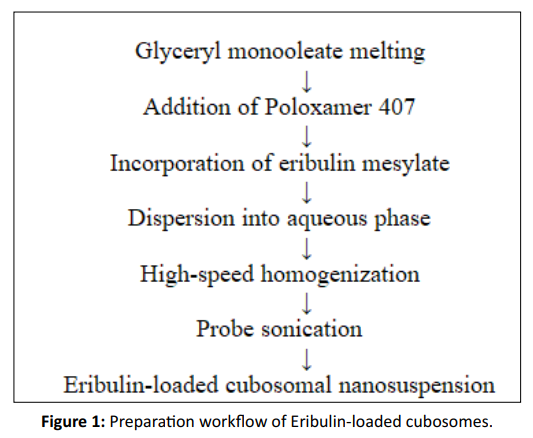
Figure 1: Preparation workflow of Eribulin-loaded cubosomes.
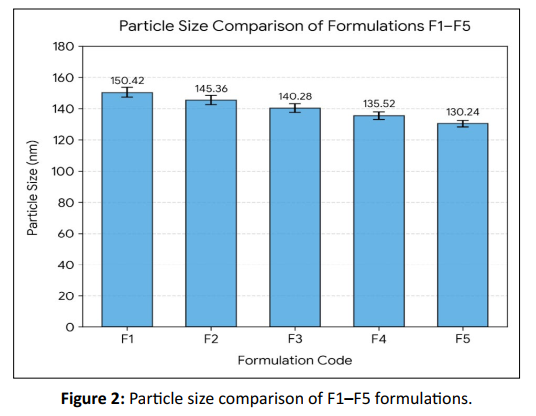
Figure 2: Particle size comparison of F1âF5 formulations.
Entrapment Efficiency and Drug Content
The entrapment efficiency of eribulin-loaded cubosomes ranged from 85.34 ± 1.42% to 94.21 ± 1.18%. A steady increase in entrapment efficiency was observed with increasing concentration of glyceryl monooleate. Formulation F5 showed the highest entrapment efficiency of 94.21 ± 1.18%, indicating efficient incorporation of eribulin into the cubosomal lipid matrix. Drug content ranged from 96.18 ± 1.26% to 99.12 ± 0.94%, showing uniform distribution of eribulin in the prepared cubosomal formulations. The high drug content values indicate minimum drug loss during formulation preparation. The values are consistent with the trend reported in your original draft, where F5 showed the highest entrapment efficiency and best overall performance.
Morphological Evaluation
The optimized formulation F5 was examined by transmission electron microscopy. The microscopic images showed discrete, nanosized, and nearly spherical to cuboidal particles with smooth surface characteristics. The particles were uniformly distributed, and no major aggregation was observed. The observed particle size in the microscopic image was consistent with the particle size obtained by dynamic light scattering.
In Vitro Drug Release Study
The in vitro drug release study showed sustained release of eribulin from all cubosomal formulations over 24 hours. The cumulative drug release ranged from 75.32 ± 2.14% to 85.46 ± 1.82% at 24 hours. F5 showed the highest cumulative drug release of 85.46 ± 1.82%, while F1 showed the lowest release of 75.32 ± 2.14%.
The initial phase of release showed a moderate burst effect, which may be due to the release of drug present near the surface of cubosomal particles. This was followed by a slower and sustained release phase, suggesting gradual diffusion of eribulin from the internal lipidic matrix [Figure 3].
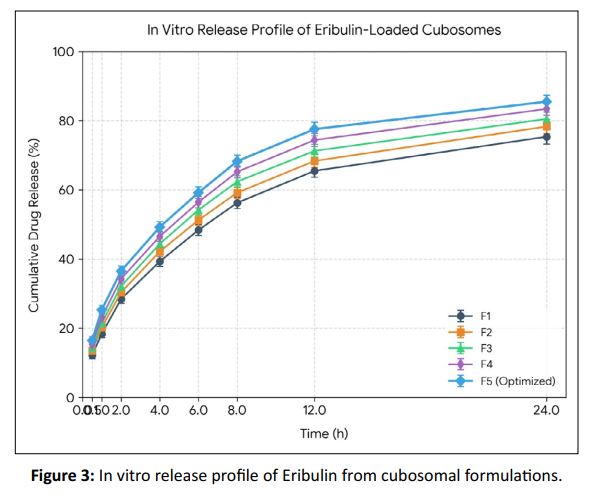
Figure 3: In vitro release profile of Eribulin from cubosomal formulations.
Release Kinetic Study
The release data of optimized formulation F5 were fitted into different kinetic models. The highest regression coefficient was observed for the Higuchi model, suggesting that drug release from the cubosomal formulation followed a diffusion-controlled mechanism. The Korsmeyer–Peppas model showed an n value below 0.5, indicating Fickian diffusion as the dominant release mechanism.
The release kinetic results indicate that eribulin release from F5 was mainly controlled by diffusion through the cubosomal lipidic matrix.
Stability Study
The optimized formulation F5 was subjected to stability testing at 4 ± 2 °C and 25 ± 2 °C for 90 days. The formulation remained physically stable during the study period, with no visible phase separation, precipitation, or change in appearance. Minor changes were observed in particle size, zeta potential, entrapment efficiency, and drug content, but these changes were not significant. The formulation stored at refrigerated temperature showed better stability compared with the formulation stored at room temperature [Table 6].
| Time Point | Storage Condition | Appearance | Particle Size (nm) | Zeta Potential (mV) | Entrapment Efficiency (%) | Drug Content (%) |
|---|---|---|---|---|---|---|
| 0 day | 4 ± 2 °C | Uniform | 130.24 ± 2.18 | −36.45 ± 1.38 | 94.21 ± 1.18 | 99.12 ± 0.94 |
| 30 days | 4 ± 2 °C | Uniform | 131.16 ± 2.24 | −35.98 ± 1.34 | 93.82 ± 1.14 | 98.74 ± 0.92 |
| 60 days | 4 ± 2 °C | Uniform | 132.28 ± 2.31 | −35.42 ± 1.30 | 93.26 ± 1.12 | 98.18 ± 0.90 |
| 90 days | 4 ± 2 °C | Uniform | 133.42 ± 2.38 | −34.86 ± 1.28 | 92.68 ± 1.10 | 97.62 ± 0.88 |
| 0 day | 25 ± 2 °C | Uniform | 130.24 ± 2.18 | −36.45 ± 1.38 | 94.21 ± 1.18 | 99.12 ± 0.94 |
| 30 days | 25 ± 2 °C | Uniform | 133.18 ± 2.46 | −34.76 ± 1.32 | 92.94 ± 1.16 | 97.85 ± 0.96 |
| 60 days | 25 ± 2 °C | Slightly opalescent | 136.46 ± 2.62 | −33.24 ± 1.26 | 91.58 ± 1.12 | 96.42 ± 0.94 |
| 90 days | 25 ± 2 °C | Slightly opalescent | 139.28 ± 2.84 | −32.18 ± 1.22 | 90.26 ± 1.08 | 95.18 ± 0.92 |
Table 6: Stability study of optimized formulation F5
The stability results suggest that F5 maintained acceptable physicochemical properties for 90 days, especially under refrigerated conditions.
In Vitro Cytotoxicity Study
The in vitro cytotoxicity of blank cubosomes, free eribulin, and eribulin-loaded cubosomes was evaluated against MCF-7 and MDA-MB-231 breast cancer cell lines. Blank cubosomes showed high cell viability, indicating that the carrier system was comparatively biocompatible. Free eribulin and eribulin-loaded cubosomes showed concentration-dependent cytotoxicity against both cell lines.
Eribulin-loaded cubosomes produced greater reduction in cell viability compared with free eribulin at equivalent concentrations. The improved cytotoxic effect may be due to enhanced cellular interaction and sustained intracellular drug availability from the cubosomal system [Table 7-9].
| Concentration | Blank Cubosomes (%) | Free Eribulin (%) | Eribulin-Loaded Cubosomes F5 (%) |
|---|---|---|---|
| 0.01 µM | 98.46 ± 1.18 | 88.34 ± 2.12 | 82.26 ± 2.04 |
| 0.05 µM | 97.82 ± 1.22 | 76.28 ± 2.26 | 68.42 ± 2.18 |
| 0.1 µM | 96.58 ± 1.26 | 62.46 ± 2.34 | 51.28 ± 2.22 |
| 0.5 µM | 95.24 ± 1.32 | 45.18 ± 2.42 | 32.46 ± 2.16 |
| 1.0 µM | 94.18 ± 1.36 | 34.26 ± 2.18 | 22.34 ± 1.92 |
Table 7: Cell viability of MCF-7 cells after treatment
| Concentration | Blank Cubosomes (%) | Free Eribulin (%) | Eribulin-Loaded Cubosomes F5 (%) |
|---|---|---|---|
| 0.01 µM | 98.12 ± 1.20 | 91.42 ± 2.18 | 85.36 ± 2.08 |
| 0.05 µM | 97.34 ± 1.24 | 81.26 ± 2.24 | 72.18 ± 2.12 |
| 0.1 µM | 96.28 ± 1.28 | 68.42 &plus text; 2.36 | 57.46 ± 2.24 |
| 0.5 µM | 94.86 ± 1.30 | 52.34 ± 2.28 | 39.26 ± 2.18 |
| 1.0 µM | 93.74 ± 1.34 | 41.18 ± 2.20 | 29.52 ± 2.04 |
Table 8: Cell viability of MDA-MB-231 cells after treatment
| Treatment | ICâ â in MCF-7 Cells | ICâ â in MDA-MB-231 Cells |
|---|---|---|
| Free eribulin | 0.36 ± 0.04 µM | 0.54 ± 0.05 µM |
| Eribulin-loaded cubosomes F5 | 0.18 ± 0.03 µM | 0.31 ± 0.04 µM |
Table 9: ICâ â values of free eribulin and eribulin-loaded cubosomes
The lower ICâ â values of eribulin-loaded cubosomes compared with free eribulin indicate stronger cytotoxic activity of the optimized cubosomal formulation. MCF-7 cells appeared more sensitive to treatment than MDA-MB-231 cells [Figure 4]. Based on the overall evaluation, formulation F5 was selected as the optimized eribulin-loaded cubosomal formulation. F5 showed the smallest particle size, lowest PDI, highest zeta potential magnitude, highest entrapment efficiency, highest drug content, and most favorable sustained drug release profile [Table 10]. Therefore, F5 was considered the best formulation and was selected for further evaluation. Its nanoscale particle size, high drug entrapment, sustained release behavior, acceptable stability, and improved cytotoxicity indicate that eribulin-loaded cubosomes may serve as a promising nanocarrier system for breast cancer therapy.
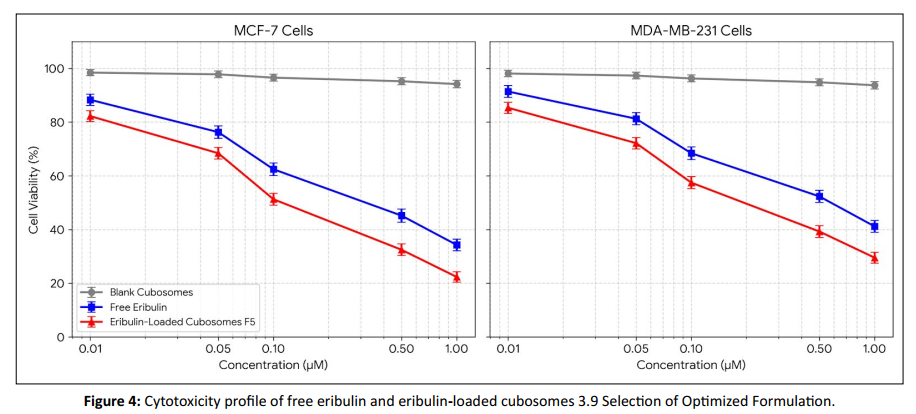
Figure 4: Cytotoxicity profile of free eribulin and eribulin-loaded cubosomes 3.9 Selection of Optimized Formulation.
| Parameter | Result |
|---|---|
| Particle size | 130.24 ± 2.18 nm |
| PDI | 0.182 ± 0.012 |
| Zeta potential | −36.45 ± 1.38 mV |
| Entrapment efficiency | 94.21 ± 1.18% |
| Drug content | 99.12 ± 0.94% |
| Drug release at 24 h | 85.46 ± 1.82% |
| ICâ â in MCF-7 cells | 0.18 ± 0.03 µM |
| ICâ â in MDA-MB-231 cells | 0.31 ± 0.04 µM |
Table 10: Summary of optimized formulation F5
DISCUSSION
The present study aimed to formulate and evaluate eribulin-loaded cubosomes as a lipid-based nanocarrier system for breast cancer therapy. The prepared formulations showed nanoscale particle size, acceptable polydispersity index, good zeta potential, high entrapment efficiency, sustained drug release, and improved in vitro cytotoxicity. Among the prepared formulations, F5 was selected as the optimized formulation because it showed the smallest particle size, lowest PDI, highest zeta potential magnitude, highest entrapment efficiency, and superior cumulative drug release. These findings suggest that the composition of glyceryl monooleate and Poloxamer 407 played an important role in determining the physicochemical behavior of the cubosomal system. The original formulation trend in your draft also identified F5 as the best-performing formulation.
The particle size of the prepared cubosomes was found to be within the nanometric range, with optimized formulation F5 showing a particle size of approximately 130 nm. Nanoscale particle size is an important parameter in lipidic nanocarrier systems because it influences physical stability, drug release, cellular uptake, and biological performance. A lower PDI value for F5 indicated a more uniform particle-size distribution, which is desirable for reproducible drug delivery. Previous studies have emphasized that particle size and PDI are critical quality attributes for the successful development and clinical translation of lipid-based nanocarrier systems [19].
The negative zeta potential observed in the prepared cubosomes indicates the presence of surface charge on the formulation. F5 showed the highest zeta potential magnitude, suggesting improved colloidal stability compared with the other formulations. A higher magnitude of zeta potential can reduce particle aggregation by increasing electrostatic repulsion between particles. In addition, Poloxamer 407 may contribute steric stabilization, which can further support dispersion stability. Therefore, the combined effect of surface charge and polymeric stabilization may explain the physical stability observed in the optimized formulation.
The entrapment efficiency increased from F1 to F5, with F5 showing the highest drug entrapment. This may be attributed to the higher concentration of glyceryl monooleate, which provides a larger lipidic matrix for incorporation of eribulin. Cubosomes are known to possess a unique bicontinuous cubic internal structure with lipid bilayers and aqueous channels, allowing them to accommodate different types of drug molecules. This structural feature makes cubosomes useful carriers for drug delivery applications, including anticancer therapy [20,21].
The in vitro release study showed sustained release of eribulin from cubosomal formulations over 24 hours. The optimized formulation F5 demonstrated the highest cumulative drug release while maintaining high entrapment efficiency. The initial release phase may be due to drug molecules located near or on the surface of cubosomal particles, while the later slower-release phase may be associated with diffusion of eribulin from the internal lipidic matrix. The release kinetic analysis showed better fitting with the Higuchi model, suggesting that diffusion was the main mechanism controlling drug release from the cubosomal system. Higuchi’s model is widely used to describe release of drugs dispersed in matrix-based systems [22].
The morphological analysis of optimized formulation F5 showed discrete nanosized particles with uniform distribution and no major aggregation. These findings support the particle size and PDI results obtained by dynamic light scattering. Morphological evaluation is important because it confirms the physical nature of the nanocarrier and supports the successful formation of the cubosomal dispersion. Uniform morphology and absence of aggregation are desirable for maintaining formulation stability and reproducible biological performance.
The stability study indicated that optimized formulation F5 remained physically stable for 90 days, particularly under refrigerated conditions. Only minor changes in particle size, zeta potential, entrapment efficiency, and drug content were observed. This suggests that the cubosomal system was able to maintain its structural integrity during storage. The slightly greater changes observed at room temperature may be due to increased molecular mobility of the lipidic phase and possible gradual rearrangement of the nanostructure. Therefore, refrigerated storage may be more suitable for maintaining the stability of the optimized eribulin-loaded cubosomal formulation.
The cytotoxicity results showed that eribulin-loaded cubosomes produced stronger inhibition of breast cancer cell viability than free eribulin at equivalent concentrations. The lower ICâ â values of the cubosomal formulation against MCF-7 and MDA-MB-231 cells suggest improved anticancer activity. This improvement may be related to enhanced interaction of cubosomal particles with cancer cells, improved cellular uptake, and sustained intracellular drug availability. The blank cubosomes showed minimal cytotoxicity, indicating that the carrier system itself was comparatively biocompatible. The MTT assay used for this evaluation is a standard method for assessing cellular viability and cytotoxicity [23].
The improved cytotoxic effect of eribulin-loaded cubosomes is consistent with the broader potential of liquid crystalline nanoparticles in cancer drug delivery. Previous studies have shown that liquid-crystalline nanoparticles can improve delivery of anticancer drugs in breast cancer models, including systems carrying cisplatin and docetaxel for targeted breast cancer therapy [24]. Similarly, coated cubosomes have been reported as promising anticancer nanocarriers capable of carrying therapeutic agents and improving their interaction with cancer cells [25].
From a pharmacological perspective, eribulin is an established anticancer drug with activity in metastatic breast cancer. In addition to its antimitotic activity, eribulin has been reported to exert non-mitotic effects on tumor biology, including effects on tumor vasculature, tumor microenvironment, and epithelial–mesenchymal transition-related pathways [26]. Preclinical studies have shown that eribulin may reduce tumor microenvironment abnormalities through vascular remodeling, and it may also suppress experimental metastasis by reversing epithelial–mesenchymal transition toward a mesenchymal–epithelial transition state [27,28]. These findings support the scientific rationale for exploring improved delivery systems for eribulin.
Overall, the results suggest that eribulin-loaded cubosomes may serve as a promising nanocarrier system for breast cancer therapy. The optimized formulation F5 demonstrated favorable physicochemical properties, sustained release behavior, acceptable stability, and improved in vitro cytotoxicity. However, the present study should be considered a preliminary formulation and in vitro evaluation. Further studies, including cellular uptake analysis, apoptosis assay, hemocompatibility testing, pharmacokinetic evaluation, biodistribution study, and in vivo antitumor efficacy studies, are required to confirm the therapeutic potential and safety of eribulin-loaded cubosomes.
REFERENCES
- Breast cancer. WHO Fact Sheet. Updated 16 April 2026.
- Bray F, Laversanne M, Sung H, Ferlay J, Siegel RL, et al. Global cancer statistics 2022: GLOBOCAN estimates of incidence and mortality worldwide for 36 cancers in 185 countries. CA Cancer J Clin. 2024;74:229-263.
- Dybdal-Hargreaves NF, Risinger AL, Mooberry SL. Eribulin mesylate: mechanism of action of a unique microtubule-targeting agent. Clin Cancer Res. 2015;21:2445-2452.
- Cortes J, O’Shaughnessy J, Loesch D, et al. Eribulin monotherapy versus treatment of physician’s choice in patients with metastatic breast cancer (EMBRACE): a phase 3 open-label randomised study. Lancet. 2011;377:914-923.
- HALAVEN — eribulin mesylate injection prescribing information. Prescribing information.
- Sivadasan D, Sultan MH, Alqahtani SS, Javed S. Cubosomes in drug delivery—A comprehensive review on its structural components, preparation techniques and therapeutic applications. Biomedicines. 2023;11:1114.
- Karami Z, Hamidi M. Cubosomes: remarkable drug delivery potential. Drug Discov Today. 2016;21:789-801.
- Umar H, Wahab HA, Gazzali AM, Tahir H, Ahmad W. Cubosomes: design, development, and tumor-targeted drug delivery applications. Polymers. 2022;14:3118.
- Varghese R, Salvi S, Sood P, Kulkarni B, Kumar D. Cubosomes in cancer drug delivery: a review. Colloid Interface Sci Commun. 2022;46:100561.
- Yaghmur A, Mu H. Recent advances in drug delivery applications of cubosomes, hexosomes, and solid lipid nanoparticles. Acta Pharm Sin B. 2021;11:871-885.
- Gustafsson J, Ljusberg-Wahren H, Almgren M, Larsson K. Cubic lipid–water phase dispersed into submicron particles. Langmuir. 1996;12:4611-4613.
- Spicer PT, Hayden KL, Lynch ML, Ofori-Boateng A, Burns JL. Novel process for producing cubic liquid crystalline nanoparticles cubosomes. Langmuir. 2001;17:5748-5756.
- Oliveira C, Matos C, Teixeira JA, Lopes CM. A versatile nanocarrier—cubosomes, characterization, and applications. Nanomaterials. 2022;12:2224.
- Q14: Analytical Procedure Development. 2023.
- Q2(R2): Validation of Analytical Procedures. 2023.
- MCF7 — HTB-22 human breast cancer cell line. Cell line information.
- MDA-MB-231 — HTB-26 human breast cancer cell line. Cell line information.
- Mosmann T. Rapid colorimetric assay for cellular growth and survival: application to proliferation and cytotoxicity assays. J Immunol Methods. 1983;65:55-63.
- Danaei M, Dehghankhold M, Ataei S, et al. Impact of particle size and polydispersity index on the clinical applications of lipidic nanocarrier systems. Pharmaceutics. 2018;10:57.
- Karami Z, Hamidi M. Cubosomes: remarkable drug delivery potential. Drug Discov Today. 2016;21:789-801.
- Sivadasan D, Sultan MH, Alqahtani SS, et al. Cubosomes in drug delivery—A comprehensive review on its structural components, preparation techniques and therapeutic applications. Biomedicines. 2023;11:1114.
- Higuchi T. Mechanism of sustained-action medication: theoretical analysis of rate of release of solid drugs dispersed in solid matrices. J Pharm Sci. 1963;52:1145-1149.
- Mosmann T. Rapid colorimetric assay for cellular growth and survival: application to proliferation and cytotoxicity assays. J Immunol Methods. 1983;65:55-63.
- Thapa RK, Choi JY, Gupta B, et al. Liquid crystalline nanoparticles encapsulating cisplatin and docetaxel combination for targeted therapy of breast cancer. Biomater Sci. 2016;4:1340-1350.
- Zhang L, Li J, Tian D, et al. Theranostic combinatorial drug-loaded coated cubosomes for enhanced targeting and efficacy against cancer cells. Cell Death Dis. 2020;11:1.
- Cortes J, Schöffski P, Littlefield BA. Multiple modes of action of eribulin mesylate: emerging data and clinical implications. Cancer Treat Rev. 2018;70:190-198.
- Funahashi Y, Okamoto K, Adachi Y, et al. Eribulin mesylate reduces tumor microenvironment abnormality by vascular remodeling in preclinical human breast cancer models. Cancer Sci. 2014;105:1334-1344.
- Yoshida T, Ozawa Y, Kimura T, et al. Eribulin mesilate suppresses experimental metastasis of breast cancer cells by reversing phenotype from epithelial–mesenchymal transition to mesenchymal–epithelial transition states. Br J Cancer. 2014;110:1497-1500.