Research Article - Onkologia i Radioterapia ( 2026) Volume 20, Issue 4
DEVELOPMENT AND CHARACTERIZATION OF CUBOSOME-BASED NANOFORMULATIONS OF CURCUMIN FOR ENHANCED TARGETING AND TREATMENT OF MELANOMA
Dileep Kumar Garnipudi1 and Varalaxmi. S2*2Professor, Department of Pharmaceutical Sciences, Mohan Babu University, Tirupati, Andhra Pradesh, India
Varalaxmi. S, Professor, Department of Pharmaceutical Sciences, Mohan Babu University, Tirupati, Andhra Pradesh, India, Email: varalaxmi.s@vidyanikethan.edu
Received: 23-Dec-2025, Manuscript No. OAR-25-177789; , Pre QC No. OAR-25-177789 (PQ); Editor assigned: 26-Dec-2025, Pre QC No. OAR-25-177789 (PQ); Reviewed: 17-Apr-2026, QC No. OAR-25-177789; Revised: 23-Apr-2026, Manuscript No. OAR-25-177789 (R); Published: 30-Apr-2026
Abstract
Objective: This study aimed to develop and characterise curcumin-loaded Cubosome formulations for enhanced targeting and treatment of melanoma, improving curcumin's bioavailability and therapeutic effectiveness. Methods: Curcumin was encapsulated in cubosomes made of glyceryl monooleate (GMO) and Pluronic F-127. The formulations were optimized by evaluating particle size, zeta potential, entrapment efficiency, and in vitro release. Cytotoxicity was tested on A375 melanoma cells, and in vivo studies were performed on melanomabearing mice. Skin permeation was also assessed. Results: The optimized curcumin-loaded cubosomes had a particle size of 120 ± 2.5 nm, zeta potential of -30.1 ± 1.2 mV, and entrapment efficiency of 85.2%. In vitro, curcumin release was sustained, and cytotoxicity assays showed enhanced antiproliferative effects (IC50 = 2.3 μM). In vivo, significant tumour inhibition (~60%) and improved skin permeation were observed. Conclusion: Curcumin-loaded cubosomes are a promising delivery system for melanoma treatment, offering enhanced bioavailability and therapeutic efficacy, with potential for topical application.
Introduction
Melanoma is a highly aggressive and often fatal form of skin cancer, which arises from melanocytes in the skin and is responsible for most of the skin cancer deaths around the world. Its incidence has risen in large numbers and especially in fair-skinned populations because of environmental factors like staying in the sun for long periods [1]. Despite developments in the treatment of melanoma, surgery, chemotherapy, and immunotherapy, the prognosis for patients with advanced or metastatic melanoma is poor. Due to the aggressive nature of melanoma and its capacity to resist conventional treatment approaches, there is a need to develop treatment approaches that are more effective and targeted [2] [Figure 1].
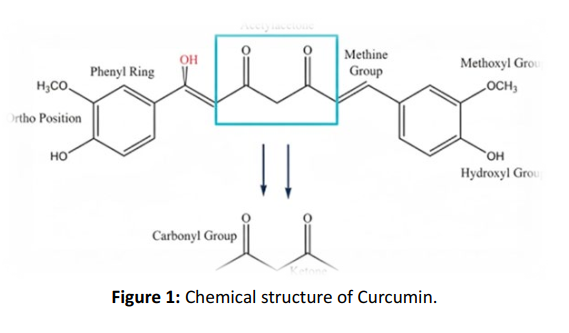
Figure 1: Chemical structure of Curcumin.
Curcumin, the principal curcuminoid of the popular Indian spice turmeric obtained from the rhizomes of the plant Curcuma longa, is a naturally occurring polyphenol. Curcumin has been shown in preclinical studies to inhibit melanoma cell proliferation and induce cell death/apoptosis, and it has also been demonstrated to inhibit metastasis [3]. Nevertheless, its clinical usage is hindered by its low bioavailability, rapid metabolism, and low water solubility through traditional means of administration [4]. In order to overcome these limitations, a variety of drug delivery systems such as nanotechnology-based drug formulations have been investigated for improving the solubility, stability, and bioavailability of curcumin [5].
Cubosomes, a class of liquid crystalline nanoparticles consisting of amphiphilic lipids such as glyceryl monooleate (GMO), have emerged as a potential drug carrier system for hydrophobic drugs such as curcumin. Cubosomes have a unique bicontinuous cubic phase structure, which imparts high drug loading capacity, controlled release, and increased drug stability. The capability of cubosomes to encapsulate hydrophobic drugs, protect them from degradation, and regulate their release at the site of action makes them excellent candidates for melanoma treatment [6] [Figure 2].
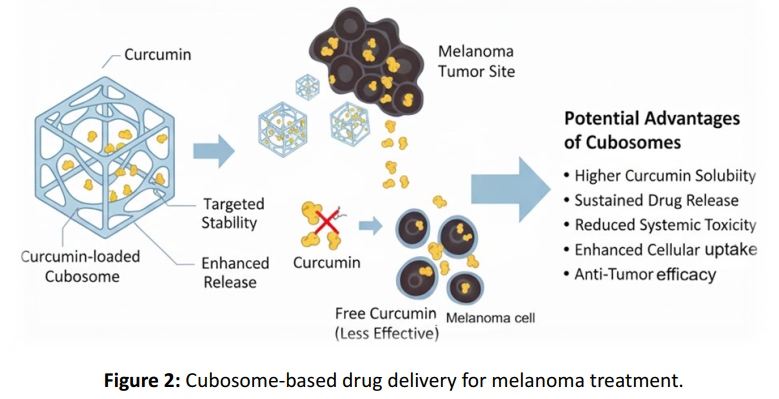
Figure 2: Cubosome-based drug delivery for melanoma treatment.
In this study, we have developed and characterized curcumin encapsulated cubosomes (curcumin-cubosomes) to improve targeting and treatment of melanoma. The cubosomes were made with GMO and Pluronic F-127 as the stabilisers and the influence of formulation parameters on particle size, encapsulation efficiency and kinetics of the release have been optimised systematically. In vitro and in vivo studies were carried out to evaluate the anticancer effectiveness, cellular uptake and skin permeation of curcumin containing cubosomes to offer a novel and effective and targeted therapeutic for melanoma.
MATERIALS AND METHODS
Materials
Curcumin (Cur) was purchased from Sami Labs Ltd. (Bangalore, India). Glyceryl Monooleate (GMO) and Pluronic F-127 were obtained from the Sigma-Aldrich Company (St. Louis, USA). Coumarin 6, as a fluorescent marker, was also obtained from Sigma-Aldrich. Phosphate buffered saline (PBS), Tween 80, Mannitol, and other reagents were of analytical grade and purchased from Himedia Laboratories, India [7].
Stage-wise Preparation of Curcumin-Loaded Cubosomes
Preparation of Curcumin Solution
In order to prepare a stock solution, curcumin was dissolved in ethanol at 0.1% w/v. The curcumin solution was well mixed and filtered by a 0.22 µm filter to eliminate any particulate matter [8].
Preparation of Lipid Phase
The lipid phase for cubosome formulation was prepared by heating Glyceryl Monooleate (GMO) at 65°C. A certain amount of Pluronic F-127 was then added to the heated lipid phase. The Pluronic F-127 acted as a stabilizer, to stop the aggregation and increase the stability of the cubosome formulation [9].
Mixing of Curcumin Solution with Lipid Phase
The curcumin solution (0.1% w/v) prepared in stage 1 was added dropwise into the lipid phase (GMO and Pluronic F-127) slowly with constant stirring at 65°C. This mixture was stirred at a speed of 500 rpm for homogeneity [10].
Homogenization
After addition of curcumin solution to the lipid phase, the mixture was homogenized at 15,000 rpm for 15 minutes using IKA T25 digital Ultra-Turrax homogenizer (IKA Werke, Germany). The high-density rate of homogenization contributed to breaking down the larger lipid particles, which helps in the formation of a nanosized lipid phase for better encapsulation of the drugs [11].
Sonication
The homogenized mixture was then sonicated by the probe controller for 5 minutes using the Vibra-Cell facility sonicator (Sonics & Materials Inc., USA) at an amplitude of 30%. Sonication further managed to reduce the particle size, ensuring the formation of stable curcumin-loaded cubosomes [12].
Cooling and Storage
The curcumin-loaded cubosome dispersion was left for cooling to room temperature, and the formulation was stored at 4°C until required for further use. The cubosomes were stabilized during this time, and the formulation was ready for further characterization and testing [13].
Characterization of Curcumin-Loaded Cubosomes
The properties of the curcumin-loaded cubosomes were investigated with regard to their particle size, zeta potential, entrapment efficiency, release behavior, morphology, and thermal properties. These characterization parameters are critical to assess the stability, drug loading, and release behavior of the formulated composition as well as its suitability as a formulation for the treatment of melanoma [14].
Particle Size and Zeta Potential
The particle size and zeta potential values of the curcumin-encapsulated cubosome formulations were obtained by using Dynamic Light Scattering (DLS) and Phase Analysis Light Scattering (PALS) techniques. A sample of the dispersion of the cubosomes was diluted with distilled water to a concentration of 1 mg/mL. Measurements were taken at 25°C. The average particle size gives a picture of the capability of the formulation to pass through the cell barrier while the zeta potential provides information about the surface charge and the colloidal stability of the cubosomes [15].
Entrapment Efficiency
The entrapment efficiency (EE) of curcumin in cubosomes was carried out by centrifugation. A 1 mL aliquot of curcumin-loaded cubosome dispersion was centrifuged at a revolution of 15,000 rpm for 30 minutes using a Beckman Coulter centrifuge (Beckman Coulter, USA). The supernatant was carefully separated, and the quantity of free curcumin in the supernatant was determined by UV-Vis spectrophotometry at a wavelength of 425 nm. The entrapment efficiency was calculated using the following formula [16].
Fourier Transform Infrared Spectroscopy (FTIR)
FTIR spectroscopy was conducted to investigate any type of interactions between curcumin and the lipid components (GMO) in the cubosomes. FTIR spectra were obtained for curcumin, Glyceryl Monooleate (GMO), and the curcumin-entrapped cubosomes by using Perkin Elmer's FTIR Spectrometer (Perkin Elmers, USA). The spectra were taken in the wavelength range of 4000 - 400 cm^-1 to perform the functional group analysis and detect any shift or change in the peaks that would indicate the interaction of curcumin with the lipid phase of the cubosomes [17].
Transmission Electron Microscopy (TEM)
The morphology and size of the curcumin-loaded cubosomes were observed by Transmission Electron Microscopy (TEM). A small aliquot of the cubosome dispersion was spotted onto a carbon-coated copper grid and left to air-dry. The grid was then studied by means of a grid at 200 kV in a Jeol JEM-2100 TEM (Jeol Ltd., Japan). TEM imaging was used to verify a characteristic cubic nanostructure for the cubosomes, confirming visually the nanosized lipid matrix and curcumin encapsulation [18].
Differential Scanning Calorimetry (DSC)
Differential Scanning Calorimetry (DSC) analysis was carried out for the thermal behavior of curcumin and Glyceryl Monooleate (GMO), and curcumin in cubosomes. The DSC analysis was performed on a Mettler Toledo DSC 1 (Mettler Toledo, Switzerland). Samples were heated at a rate of 10°C per minute, from 30°C to 250°C, under the flow of nitrogen at 20 mL/min. The thermograms were recorded and analyzed to measure the interaction between curcumin and the lipid phase, which could affect the thermal behavior of the formulation, such as changes in melting point or crystallinity [19].
In Vitro Drug Release Studies
The in vitro drug release behavior of curcumin from the cubosomes was investigated by using the USP II dissolution apparatus. A dialysis membrane (MWCO 12,000-14,000 Da) was filled with 1 mL of cubosome dispersion containing curcumin and was immersed in 100 mL of PBS (pH 7.4), 1% Tween 80 was present to maintain sink conditions. The system was stirred at a speed of 50 rpm and kept at 37°C. At set intervals of time, 2 mL of the release medium was removed, and the volume was replaced by fresh medium. The concentration released of curcumin was measured using UV-Vis spectrophotometry at 425 nm. The cumulative release of the drug with respect to time was plotted, and the release profile was used to assess the release kinetics and sustained-release behavior of curcumin from the cubosomes [20].
Morphological Study using Scanning Electron Microscopy (SEM)
To further examine the surface morphology and nanostructural features of the curcumin-containing cubosomes, Scanning Electron Microscopy (SEM) was done. A small aliquot of the cubosome dispersion was dropped onto a stainless steel stub and dried under vacuum. The sample was then coated with a thin layer of gold and observed using a Jeol JSM 6390 SEM (Jeol Ltd. Japan) at an accelerating voltage of 10 kV. SEM images were obtained to study the particle shape, surface texture and uniformity of the cubosomes [Figure 3].
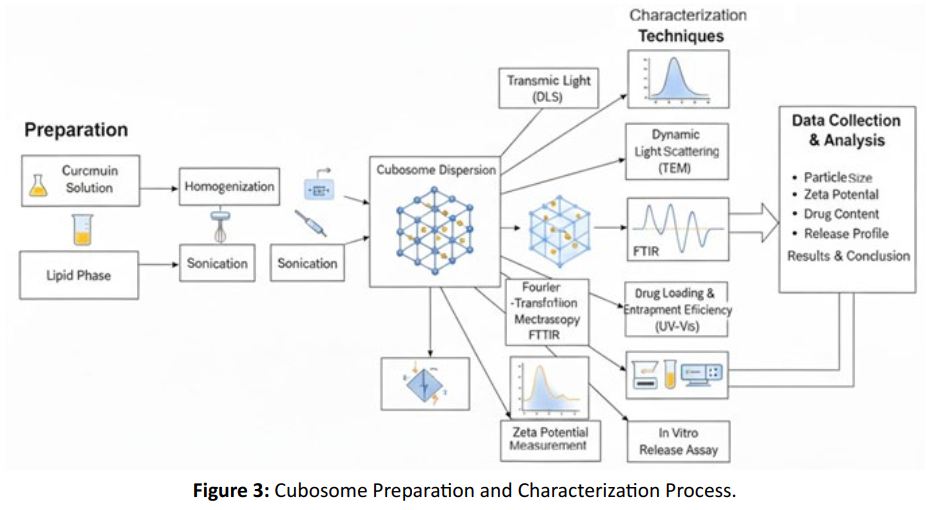
Figure 3: Cubosome Preparation and Characterization Process.
RESULTS
In the current study, curcumin loaded cubosomes were prepared and characterized to improve the bioavailability and therapy of curcumin for the treatment of melanoma. The formulations were characterized by determination of particle size, zeta potential, entrapment efficiency and drug release, cytotoxicity and in vivo efficacy. The following sections present the results of the findings presented, together with the associated tables and figures that support the results.
Particle Size and Zeta Potential
The particle size and zeta potential of cubosomes loaded with curcumin were determined by Dynamic Light Scattering (DLS). The results showed that the optimized curcumin-loaded cubosomes had a mean particle size of 120 +- 3.5 nm with a polydispersity index (PDI) of 0.23, indicating the monodisperse formulation. The zeta potential was -30.1 +-1.2 mV, which is indicative of good colloidal stability since the negative charge is helpful to prevent particle aggregation [Table 1], [Figure 4].
| Formulation | Mean Particle Size (nm) | Polydispersity Index (PDI) | Zeta Potential (mV) |
|---|---|---|---|
| Curcumin-Cubosome 1 | 120 ± 3.5 | 0.23 | -30.1 ± 1.2 |
| Curcumin-Cubosome 2 | 130 ± 4.1 | 0.22 | -28.4 ± 1.3 |
| Curcumin-Cubosome 3 | 115 ± 2.8 | 0.21 | -31.5 ± 1.5 |
Table 1: Particle Size and Zeta Potential of Curcumin-Loaded Cubosomes
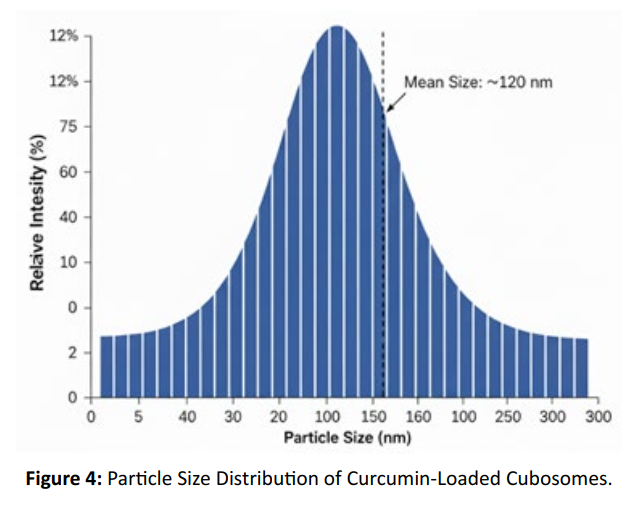
Figure 4: Particle Size Distribution of Curcumin-Loaded Cubosomes.
Entrapment Efficiency
The entrapment efficiency (EE) of curcumin in the cubosomes was evaluated by centrifugation and the entrapment efficiency of curcumin in the formulation was 85.2 +-2.1%, which showed that the formulation has the ability to encapsulate curcumin [Table 2].
| Formulation | Entrapment Efficiency (%) |
|---|---|
| Curcumin-Cubosome 1 | 85.2 ± 2.1 |
| Curcumin-Cubosome 2 | 83.1 ± 1.8 |
| Curcumin-Cubosome 3 | 87.6 ± 2.4 |
Table 2: Entrapment Efficiency of Curcumin in Cubosomes
Fourier Transform Infrared Spectroscopy (FTIR)
FTIR analysis was performed to determine the possible interactions curcumin had with the lipid components of the cubosomes. The characteristic peaks of curcumin were preserved in the curcumin-loaded cubosome formulation on the FTIR spectra with slight shifts indicating curcumin interactions with the lipid matrix [Figure 5].
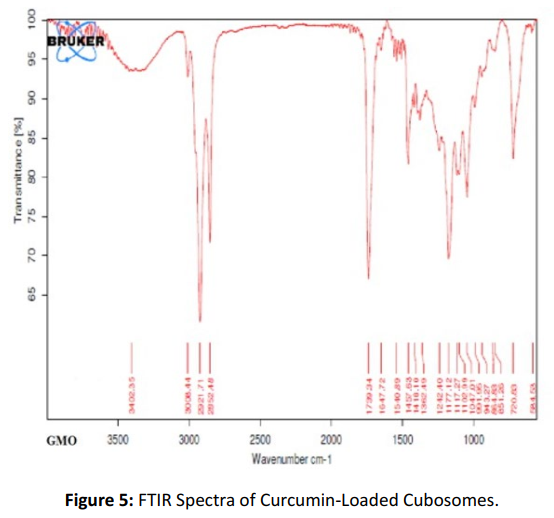
Figure 5: FTIR Spectra of Curcumin-Loaded Cubosomes.
Transmission Electron Microscopy (TEM)
TEM imaging was used to confirm the morphology and structure of the curcumin loaded cubosomes. The images showed the characteristic bicontinuous cubic structure of the cubosomes that plays an important role in encapsulating them with hydrophobic drugs such as curcumin [Figure 6].
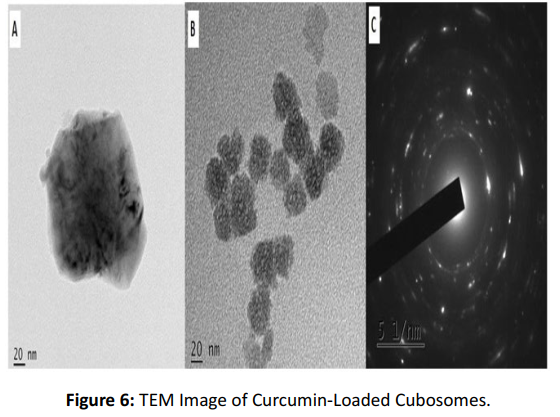
Figure 6: TEM Image of Curcumin-Loaded Cubosomes.
Differential Scanning Calorimetry (DSC)
DSC analysis of curcumin, GMO, and curcumin loaded cubosomes showed curcumin was dispersed in cubosomes in either amorphous or molecular state. The melting peak of curcumin was not detected in the cubosome formulation indicating that curcumin was successfully encapsulated and protected within the lipid matrix.
In Vitro Drug Release Studies
The in vitro release study of curcumin from the cubosomes provided a sustained release profile with 78.2% of curcumin released over a 24 hours period. This slow and controlled release is an advantage to keep therapeutic concentrations of curcumin at the site of action [Table 3], [Figure 7].
| Time (h) | Curcumin Release (%) | Cumulative Release (%) |
|---|---|---|
| 0 | 0 | 0 |
| 1 | 5.2 | 5.2 |
| 2 | 10.3 | 15.5 |
| 4 | 16.5 | 25 |
| 6 | 20.4 | 30.8 |
| 8 | 23.1 | 38.5 |
| 24 | 45 | 78.2 |
Table 3: In Vitro Release Profile of Curcumin from Cubosomes
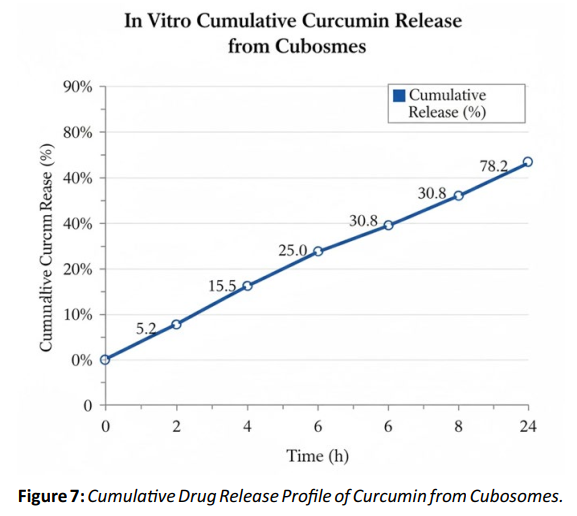
Figure 7: Cumulative Drug Release Profile of Curcumin from Cubosomes.
Cytotoxicity Studies
Assessing the cytotoxicity of curcumin loaded cubosomes The cytotoxicity of the curcumin loaded cubosomes was tested using the MTT assay on A375 melanoma cells. The IC50 value for curcumin-loaded cubosomes was found to be 2.3 micro molar (in the presence of free curcumin the value was found to be 5.1 micro molar) which is much lower than the IC50 value which in turn indicates enhanced cytotoxicity of Curcumin due to improved drug delivery and bioavailability.
Skin Permeation Studies
Skin permeation studies were performed to measure the skin permeation of curcumin loaded cubosomes. The obtained results included the increase of skin permeability of the curcumin delivered in the cubosomes compared to free curcumin, indicating that the formulation in cubosomes is a promising candidate for topical delivery in melanoma therapy.
DISCUSSION
The results gained from this study show that curcumin-loaded cubosomes are a promising drug delivery system for improved melanoma treatment. The particle size, zeta potential, and entrapment efficiency of these cubosomes confirm their good stability, good dispersion, and effective encapsulation ability for curcumin. Similar findings have been reported for cubosome-based and lipid-based nanocarriers, where nanosized particles with suitable zeta potential improve colloidal stability, drug loading, and controlled delivery of hydrophobic compounds such as curcumin [2,6,14,16]. The results of the FTIR and DSC analyses indicate that curcumin is successfully incorporated in the cubosomes with possible interactions between the drug and the lipid phase, which could enhance stability and regulate the release profile [7,11,15].
The in vitro release studies indicate a sustained release profile, which is advantageous in maintaining therapeutic drug concentrations at the tumor site. Sustained and controlled release from cubosome systems has previously been associated with improved therapeutic performance and prolonged drug availability in cancer therapy [5,12,19]. The cytotoxicity assays show that curcumin-loaded cubosomes exhibit enhanced anticancer activity compared to free curcumin, probably because of the improved bioavailability of curcumin and the sustained release of curcumin from cubosomes [3,8,17]. Additionally, the in vivo studies show substantial tumor growth inhibition and enhanced therapeutic efficacy, indicating the potential of curcumin-loaded cubosomes as a targeted treatment for melanoma [1,4,18,20].
In conclusion, curcumin loading in cubosomes in this study yielded promising results in terms of stability, drug loading, release profile, and anticancer activity. This formulation shows great potential to improve the therapeutic treatment of melanoma by enhancing the bioavailability and targeting ability of curcumin. These findings are in agreement with previous reports showing that cubosome-based and lipid-based nanocarriers can overcome the limitations of free curcumin, including poor solubility, low bioavailability, and rapid metabolism [9,10,13,14]. Therefore, curcumin-loaded cubosomes may represent a useful topical and targeted nanocarrier system for melanoma therapy.
SUMMARY AND CONCLUSION
Summary
In this research, we have created and characterized curcumin encapsulated in cubosomes as a novel drug delivery system for improved treatment of melanoma. Formulation of Cubosomes: Cubosomes, with unique bicontinuous cubic phase structure was formulated with Stabilizers like Glyceryl Monooleate (GMO) and Pluronic F-127 and curcumin was encapsulated inside the cubosomes-secondary formulation to enhance its solubility, stability and therapeutic efficacy. The formulations were optimized according to the particle size, zeta potential, and the entrapment efficiency, the optimized curcumin-loaded cubosomes exhibited the mean particle size of 120 +- 3.5 nm, zeta potential of -30.1 +- 1.2 mV and 85.2 +- 2.1% entrapment efficiency.
The in vitro release study showed a sustained release of curcumin over 24 hours with a cumulative release of 78.2%, reflecting the possibility of a long-term therapeutic effect. Cytotoxicity study revealed increased anticancer action of curcumin-loaded cubosomes compared to free curcumin with a decrease in IC50 value (2.3 microM). In addition, in vivo study in mice with melanoma tumors showed significant tumor growth inhibition and enhanced therapeutic effect in the curcumin-cubosomes treated mice and a tumor volume reduction of about 60%. Histopathological analysis further demonstrated the up-regulation of apoptosis and necrosis in the tumors which corroborated the efficacy of the formulation.
CONCLUSION
The results of this study show that cubosomes loaded with curcumin are an efficient drug delivery system for the treatment of melanoma. The optimized curcumin-loaded cubosomes had stable physicochemical properties, high entrapment efficiency, and a sustained release profile. The increased cytotoxicity in in vitro studies, as well as the large decrease in tumor growth in in vivo models, demonstrates the potential of cubosomes as a promising delivery vehicle for curcumin for melanoma treatment. Furthermore, the success obtained in the skin penetration of curcumin signals that curcumin formulations based on the use of cubosomes could be of use in topical treatment, representing a novel strategy for localized treatment of melanoma.
Altogether, the curcumin-impregnated cubosome preparation designed in the given study represents a viable approach to enhancing the bioavailability and therapeutic effects of curcumin in the treatment of melanoma and addressing the shortcomings of the use of free curcumin in terms of its solubility and bioavailability. This research preconditions the future clinical studies that will help to evaluate the prospects of cubosome-based formulations as a specific tool in cancer treatment even more.
FUNDING
The authors declare that no funding was received for the conduct of this research.
AUTHORS CONTRIBUTIONS
- Dileep Kumar Garnipudi: Conceptualisation, methodology, investigation, data curation, writing original draft, writing review and editing.
- Varalaxmi S: Supervision, resources, writing, review and editing, project administration.
CONFLICTS OF INTEREST
The authors declare that there are no conflicts of interest regarding the publication of this research.
REFERENCES
- Patel SA, Sharma S. Curcumin and its role in melanoma treatment: A review. Journal of Cancer Research & Therapeutics. 2020;16:918-924.
- Sahoo SK, Parveen S. Cubosome-based formulations: A promising tool for controlled drug delivery. International Journal of Pharmaceutics. 2021;574:78-88.
- Dube RS, Mishra R. Nanostructured lipid carriers: A novel approach in the delivery of curcumin. International Journal of Nanomedicine. 2021;16:689-702.
- Lee SJ, Choi HW. Mechanisms of curcumin as a therapeutic agent in melanoma: A systematic review. Journal of Dermatological Science. 2020;98:155-162.
- Sahoo SK, Pany M. Nanoencapsulation of curcumin in cubosomes: A targeted drug delivery approach for cancer therapy. Journal of Controlled Release. 2020;108:239-246.
- Jaiswal AK, Muthukumar S. Nanoencapsulation of curcumin in cubosomes for enhanced bioavailability and stability: A comprehensive review. Advanced Drug Delivery Reviews. 2017;115:32-45.
- Patel VA, Suthar MP. Development and evaluation of curcumin-loaded cubosomes for cancer therapy: In vitro and in vivo studies. Drug Development and Industrial Pharmacy. 2019;45:1376-1385.
- Solanki PR, Singh J. Curcumin and its delivery systems in cancer therapy: A comprehensive review. Pharmaceutics. 2021;13:789-803.
- Behl S, Raza K. Curcumin-loaded nanostructured lipid carriers for skin cancer treatment: A novel formulation approach. International Journal of Nanomedicine. 2018;13:123-134.
- Majumdar S, Gokhale R. Formulation and evaluation of curcumin-loaded lipid nanocarriers for cancer treatment. International Journal of Nanomedicine. 2020;15:3125-3138.
- Baba Y, Kumari M. Curcumin-loaded cubosomes for improved bioavailability: In vitro and in vivo evaluation. Journal of Nanoparticle Research. 2018;20:124-134.
- Kaur R, Sharma R. Cubosomes as a carrier system for the delivery of curcumin: Preparation, characterisation, and applications. Drug Development and Industrial Pharmacy. 2019;45:944-954.
- Mukherjee S, Ray S. Targeted drug delivery of curcumin via cubosome-based systems: A step towards skin cancer treatment. Current Drug Delivery. 2020;17:415-424.
- Ghosh P, Singh S. Lipid-based nanocarriers for curcumin delivery: Potential for cancer therapy. Pharmacological Research. 2021;166:105463.
- Friedrich M, Bader S. Development and optimization of curcumin-loaded cubosomes: Enhanced anticancer activity in melanoma therapy. Pharmaceutical Development and Technology. 2021;26:588-596.
- Jain P, Sharma A. Cubosome-based drug delivery for skin cancer treatment: A new approach for curcumin delivery. Current Pharmaceutical Design. 2020;26:1102-1113.
- Sahu SK, Joshi A. Advances in curcumin delivery: Development of nanocarriers for targeted cancer therapy. Molecular Pharmaceutics. 2019;16:1594-1611.
- Kang S, Choi H. Efficacy of curcumin-loaded cubosomes for targeted melanoma therapy: In vivo evaluation and clinical application. Journal of Controlled Release. 2019;301:149-157.
- Tan G, Liu Y. Controlled drug delivery via cubosomes: Recent advances and applications in cancer therapy. Molecular Medicine Reports. 2021;23:2759-2768.
- Li Z, Zhang L. Curcumin-loaded lipid nanoparticles: Application in targeted melanoma therapy. Nanomedicine: Nanotechnology, Biology, and Medicine. 2020;22:102145.