Research Article - Onkologia i Radioterapia ( 2026) Volume 20, Issue 7
Systematic review of mitochondrial genome alterations in cancer patients: Insights from mtDNA mutations and their implications for disease progression and therapeutics
Mirza Mudassir Husain1*, Shaik Sarfaraz Nawaz1, Sridhar Baratam1, Prabhaker Yadav2 and Saima Zafer32Department of Systems Biology, Center of Biomedical Research, Sanjay Gandhi Postgraduate Institute of Medical Sciences, Lucknow, India
3N2Jenomics Lab, National Genomics and Genotyping Facility (NGGF), National Institute of Plant Genomic Research Institute (NIPGR), New Delhi, India
Mirza Mudassir Husain, Department of Forensic and Investigative Sciences, Naif Arab University for Security Sciences, Riyadh, Saudi Arabia, Email: mudassirhusain1999@gmail.com
Received: 11-Feb-2026, Manuscript No. OAR-26-194096; , Pre QC No. OAR-26-194096 (PQ); Editor assigned: 13-Feb-2026, Pre QC No. OAR-26-194096 (PQ); Reviewed: 27-Feb-2026, QC No. OAR-26-194096; Revised: 13-Aug-2026, Manuscript No. OAR-26-194096 (R); Published: 20-Aug-2026
Abstract
Mitochondrial DNA (mtDNA) mutations have been shown in the past few years to be important in the study of many cancers. However, while those mutations led to mitochondrial dysfunction and changed energy metabolism, they also increased tumor growth and resistance to therapy. Using this systematic review, the types and consequences of mtDNA mutations in cancer are further explored and reviewed to assess their role in cancer pathology and therapeutic response. In this review, we synthesize data from several studies to indicate that the mutational alterations in mtDNA induce tumor growth, contribute to cancer metastasis, and are responsible for treatment resistance to cancer metastasis. We review the potential utility of mtDNA as an early cancer biomarker and the exploitation of mitochondrial dysfunction as a therapeutic strategy. These results support further study of how mitochondrial genome mutations contribute to cancer and new mitochondrial-targeted therapeutics.
Keywords
Mitochondrial DNA; Cytochrome C; Oxidative phosphorylation; Therapy; Cancer
Introduction
Oxidative Phosphorylation (OXPHOS) is a cellular process that produces the bulk of a cell’s energy needs and depends on mitochondria as organelles. Beyond energy production, mitochondria play a role in apoptosis, calcium homeostasis, and Reactive Oxygen Species (ROS) regulation [1]. A key characteristic of each mitochondrion is its genome: A small, circular DNA molecule (mtDNA) that encodes 37 genes vital for mitochondrial function and subject to mutation [2]. mtDNA differs from nuclear DNA as shown in Figure 1, has a maternal inheritance, and is likely to have a higher mutation rate because of its proximity to ROS and lack of an efficient DNA repair capacity [3]. This mitochondrial genome alteration is significant in cancer biology, and recent evidence has demonstrated that cancer cells usually contain these mtDNA mutations, which likely contribute to cancer's widespread metabolic changes [4]. Mitochondrial dysfunction, especially mtDNA mutations, are closely linked to the Warburg effect [5]. This link explains tumor cells' increasing reliance on glycolysis rather than OXPHOS for energy. As mitochondria changes cause malfunctions in cellular energy production, regulation of apoptosis, ROS management, and many other functions, they are an area of choice for cancer therapy treatment [6]. Therefore, this review aims to review systematically their roles in cancer progression and their therapeutic potential considering mtDNA mutations [7]. The significance of mtDNA mutation, which is critical to understanding cancer development and the ability to resist the therapy, is unclear. Still, it offers a niche potential to enhance cancer prognosis and treatment. Many cancer cells exhibit metabolic remodeling similar to the Warburg effect, oxidative stress, and changes in cell death pathways, all of which can be driven by mutations in mtDNA. These changes affect the initiation of tumors, invasion and metastasis, and the arrival of drug resistance in cancerous cells [8]. Nonetheless, despite increasing awareness of mtDNA’s role in cancer, there are some significant issues within this field of research today. A major shortcoming of the method is its inability to accurately detect and characterize mutant mtDNA due to the heteroplasmic nature of both distinct and mutant mtDNA found in the same cell [9].
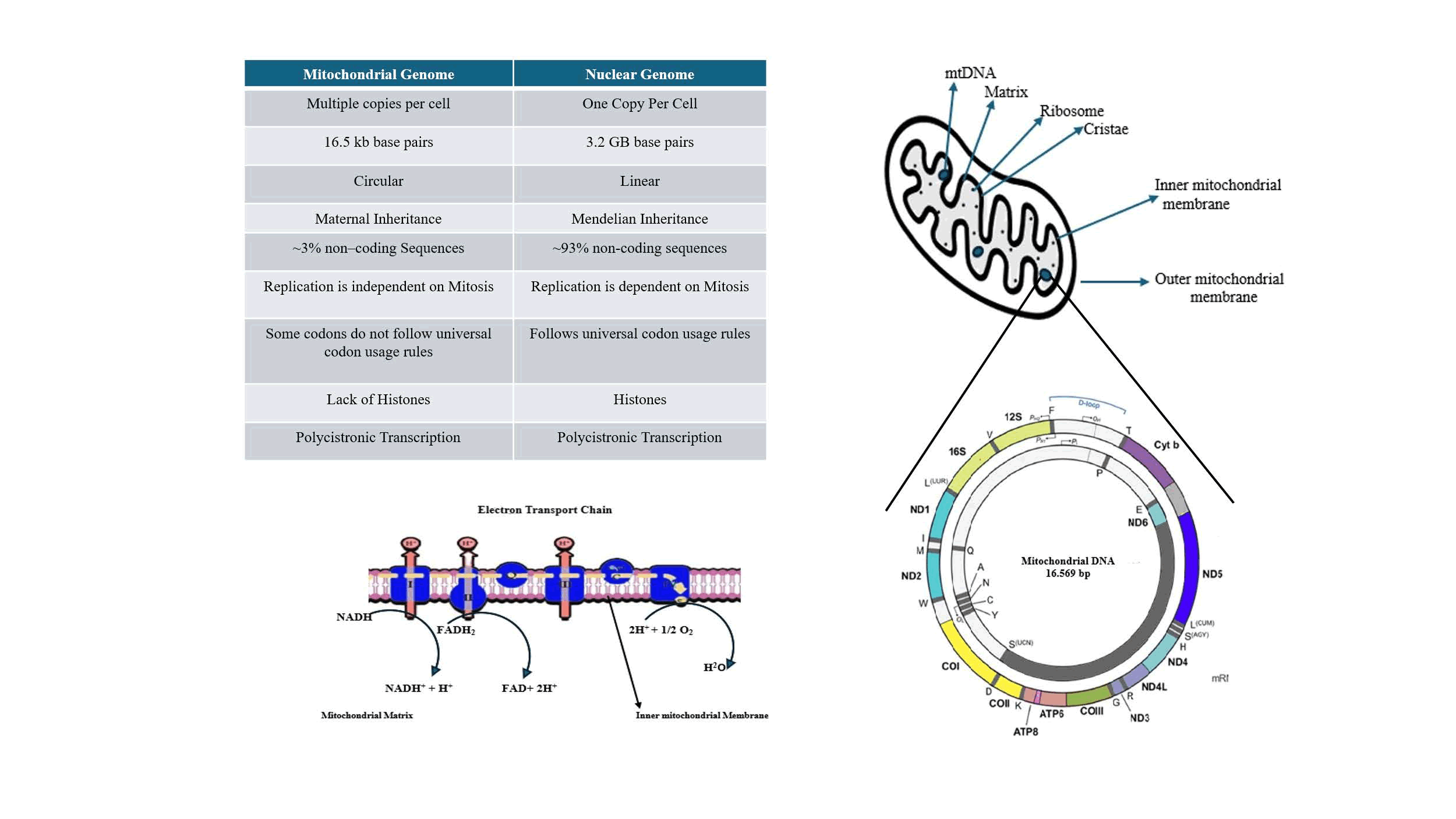
Fig. 1. The difference between mtDNA and nuclear DNA.
Furthermore, although mtDNA mutations as biomarkers for diagnosis and prediction are effective, presently, the techniques to identify these mutations are not sufficiently precise for clinical application [10]. Another difficulty is the question of how best to target the source of the mutations in the mtDNA. Unlike nuclear DNA, mtDNA is not easily amendable to the process of actual gene therapy or repair with current gene editing tools due to its lack of protection and recombination machinery, the absence of which makes therapeutic approaches to targeting mitochondrial dysfunction difficult [11]. Furthermore, observed correlations between mtDNA mutations and therapeutic resistance are a problem for cancer treatment. Several cancer-related mtDNA mutations are associated with increased chemoresistance and radioresistance and with poor prognosis in patients. Knowing how mtDNA mutations cause therapeutic resistance and how to overcome this is crucial for successfully improving cancer management, making this outstanding [12]. Because of this, this review attempts a more systematic and comprehensive approach to identify the current literature focusing on mtDNA mutations in cancer, discuss them, and evaluate their contribution to cancer progression and usability as biomarkers and treatment targets. The current knowledge of how they relate to cancer and their molecular characterization as potential biomarkers and therapeutics involving mtDNA mutations as a therapeutic means to treat mitochondrial dysfunction in cancer cells was discussed.
Materials and Methods
Following the PRISMA (Preferred Reporting Items for Systematic Reviews and Meta-Analyses) guidelines, this systematic review was designed to maintain transparency, reproducibility, and completeness of the selection, review, and synthesis of existing data describing mitochondrial DNA (mtDNA) mutations in cancer. This review involved several steps in the review process: Developing the search strategy, study selection, data extraction, and analysis.
Search strategy
An extensive literature search across three principal electronic databases, i.e., PubMed, Google Scholar, and Web of Science, was undertaken to thoroughly investigate the role of mtDNA mutations in cancer. Researchers utilized them because they provide access to most peer-reviewed biomedical, clinical, and genetic research papers. In a search for research related to how mutations in mtDNA have influenced cancer progression, its diagnosis, and treatments, we searched for all the research conducted between January 2000 and December 2024. We chose careful keywords and terminologies that led us to fetch all the relevant literature. The primary search terms employed were: "Cancer", "biomarkers", "therapeutics", "disease progression", "mtDNA mutations", and "mitochondrial genome". Boolean operators (AND, OR) were applied to group these keywords in an effort to limit the search. Sometimes, the investigation searched for "mtDNA mutations AND cancer" and "mitochondrial genome AND therapeutic targets" as samples to specifically find studies that have expressly studied the correlation between mtDNA mutations and cancer biology.
Inclusion criteria: The review contains only studies that have expressly examined the role of mitochondrial DNA (mtDNA) mutations in different cancers. This inclusion criterion still put the highest priority on those molecular and genetic changes specific to cancer development and treatment. All studies on the therapeutic application of mtDNA were also included, for example, studies into the effects of these mutations on the cancer therapy response (drug resistance, new drug targets). The only sources utilized were the peer-reviewed journals to provide the academic level to enable the research to attain the findings, and only the legible and credible sources prevailed to fulfill the stringent scholarly publication standards. Only published studies in English language were selected, as the review team had no means for the successful translation of the non-English reports.
Exclusion criteria: This review focused on mtDNA mutations in non-cancerous disease or unrelated disorders; research on mtDNA in cancer is not included. For example, research using mtDNA mutations in nonmammalian animals was excluded since fundamental differences in the biology of mitochondria between mammals and other animals could make such findings irrelevant to human cancer. Secondly, peer-reviewed articles only were employed in order to ensure academic rigor and information reliability.
Therefore, non-peer-reviewed articles, preprints, opinion pieces, and conference abstracts were not included in the analysis.
Study selection process
The study selection process involved three procedures: initial screening, full-text evaluation, and final selection. All articles collected during the database search were screened for inclusion at the level of the title and abstract. These were the studies that did not qualify according to the inclusion criteria, thus resulting in a narrow dataset. The articles which passed the initial screening to the full-text review phase. The relevance of each study was strictly evaluated based on whether the studies incorporated in cancer the spectrum of mtDNA mutations, the amount of data presented, and the extent of coverage provided by the study on the interaction between mitochondrial alterations and cancer development or treatment response. Only studies that yielded helpful data regarding mtDNA mutations in cancer and their therapeutic importance were taken for final analysis. Replicated papers and irrelevant studies were excluded in order to achieve a clean set of studies for the data synthesis and extraction.
Data extraction and analysis
Systematic data extraction was carried out in order to obtain all the relevant information from each selected study. The information retrieved were focused on four general areas: The three types of mtDNA mutations, cancers with increased risk, their implications on cancer occurrence, and their treatment potentials. The mutation types happening in the mitochondrial genome were point mutations, deletions, and copy number variations. The study also documented cancer types that have been reported with these mtDNA mutations to determine the cancers with widespread mitochondrial changes. More data were collected on how mtDNA mutations influence cancer, i.e., on cellular metabolism, tumor growth, and metastasis. Additionally, the data collected had data on how mtDNA mutations influence therapy response in the form of drug resistance and targeted therapy. Finally, the data collected were synthesized and compared for pattern, consistency of findings, and gaps there are in the knowledge that exists regarding mtDNA mutations and cancer. The findings of the research were qualitatively synthesized, with quantitative data, such as frequencies of mutation, where included.
Limitations and control of bias
Although search strategy was comprehensive, only English-language studies were reviewed, which could have caused language bias. Such strong methods are outlined in this review to offer a systematic and objective overview of mtDNA mutations in cancer and their effects on movement and therapeutic protection.
Mitochondrial DNA mutations in cancers
Mitochondrial DNA mutations are increasingly becoming pivotal agents in the causation of cancer and resistance to therapy. Mitochondria, the cellular power plant, generate energy through OXPHOS, control cellular metabolism, and control apoptosis, or programmed cell death [8]. However, mutations in the mitochondrial genome accumulate, disrupting these processes with oncogenesis (tumor formation) and cancer progression [12]. The article describes how mutations in mtDNA lead to cancer, the character of mtDNA mutations, how they affect cellular metabolism, and the challenges in targeting mtDNA for treatment.
Overview of mtDNA mutations in cancer: Mitochondrial DNA mutations are seen frequently in cancer cells. Despite lacking the histone protection and DNA repair processes of nuclear DNA, mtDNA is not as shielded from damage by virtue of its proximity to the ETC, where ROS are generated [11]. ROS is seen to cause oxidative damage to mtDNA, resulting in mutations. These accumulate over time and impair mitochondrial function [13]. While the effects on mitochondrial function caused by different mtDNA mutations found in cancer cells can vary greatly, the variety of types of mtDNA mutations found in cancer cells is equally wide. Mitochondrial point mutations that can disrupt protein function in the electron transport chain can cause reduced efficiency of OXPHOS [8]. Large segment deletions create the loss of mtDNA and often target critical genes needed for mitochondrial function, resulting in compromised mitochondrial metabolism [14]. In insertions, additional nucleotides are sometimes incorporated into the mtDNA sequence, potentially disrupting gene function or their regulatory mechanisms [11]. In addition, rearrangements are large-scale changes in the structure of the mitochondrial genome, resulting in severe disruption to mitochondrial integrity and function [15]. Mutations in these account for the perturbation of mitochondrial behavior in cancer cells, driving its growth and progression [13]. Again and again, cancer cells have been shown to have more mtDNA mutations than normal cells. It also happens in breast, colon, lung, and endometrial cancers. For instance, the association of these mtDNA mutations with energy metabolism alteration and increased metastatic potential in breast cancer has been demonstrated [16]. Specific mitochondrial genome mutations associated with colon cancer aggressiveness and prognosis [12] and mtDNA deletions are especially prevalent in lung cancer, involving tumor escape from apoptosis [9]. Increased oxidative stress is one of the principal consequences of these mutations. The ROS from mutated mitochondria damages nuclear DNA, proteins, and lipids, promoting tumorigenesis [11]. Furthermore, normal mitochondrial function can be disrupted, impairing ATP production and forcing cancer cells to adopt alternative metabolic pathways to survive and proliferate [13].
Impact on cellular metabolism: The mitochondria are required for cellular energy homeostasis as they represent most of the cells’ primary site of ATP production through OXPHOS [15]. The interconversion process needs a series of protein complexes localized in the inner mitochondrial membrane, encoded in the nuclear and mitochondrial genes [8]. In contrast, mtDNA mutations can severely worsen the activity of the Mitochondrial Respiratory Chain (MRC), thereby causing the alteration of the metabolism of cancer cells [13]. Also, the most critical consequence of mtDNA mutations is the change from oxygen consumption to glycolysis, even in the presence of oxygen in some cases. The Warburg effect is a hallmark of cancer metabolism [14]. Cancer cells, particularly those with mtDNA mutations, usually use glycolysis for energy rather than mtDNA-dependent mitochondrial OXPHOS [9]. It is wellestablished that certain mtDNA mutations [8], particularly those in genes encoding components of the Electron Transport Chain (ETC), are linked to reduced mitochondrial efficiency. For instance, impairments in electron transfer through the ETC (e.g., mutations in the ND (NADH dehydrogenase) and CYTB (cytochrome b) genes, which are part of Complex I and Complex III, respectively) can damage iterative electron transfer, which results in inefficient ATP production and further increase in ROS production [12].
Mitochondrial genome engineering challenges: Targeting the mitochondrial genome is a promising therapeutic approach to cancer. Given the critical roles of mtDNA mutations in cancer progression and treatment resistance, it is likely that targeting the mitochondrial genome will be needed in the setting of therapeutic resistance and relapse. Nevertheless, mitochondrial genome engineering remains a highly challenging process, often resulting in the development of ineffective therapies [11]. mtDNA replication and inheritance are also unique challenges. mtDNA is maternally inherited and replicates independently of the cell cycle, unlike nuclear DNA, which is inherited from both parents and undergoes recombination [15]. Conventional gene editing tools, such as CRISPR-Cas9, easily edit nuclear DNA but suffer many drawbacks when considering mtDNA [13].
Another barrier to editing the genome is the mitochondrial double membrane. Most gene editing tools are typically too large to make it through the outer and inner mitochondrial membranes [9]. Lastly, the mitochondrial genome does not have the exact repair mechanisms, making it difficult to repair mutations after they occur [11]. Thus, the specific targeting and editing of mtDNA in the cancer cells are very tricky [8]. Even though such challenges exist, new methods promise to cure mtDNA mutations in cancer. Mitochondrial gene therapy is an approach to mtDNA replacement, where completely healthy copies of the mtDNA are provided to cells of damaged mitochondria [14]. One of the outcomes of this technique is the potential to restore normal mitochondrial function and reverse the effects of mtDNA mutations [15]. Another promising strategy is, therefore, the use of mitochondrially targeted antioxidants, which reduce oxidative stress by eliminating reactive oxygen species in the mitochondria [12]. Additionally, these antioxidants could prevent additional mtDNA damage and lower levels of ROS, thereby curbing cancer progression [9]. MitoTALENs (Mitochondria-targeted Transcription Activator-Like Effector Nucleases) and editing of mtDNA have also been done in recent years [11]. MitoTALENs can degrade only the mutated mtDNA and can cure mutated cells with normal mtDNA [14]. Finally, this treatment can be used to reverse the extensive mtDNA mutations that cause cancer cell disease [13]. Finally, mitochondrial transfer is yet another promising treatment, where healthy mitochondria from donor cells are transferred into cancer cells with dysfunctional mitochondria [9]. The preliminary evidence of mitochondrial transfer has demonstrated improved mitochondrial function and reduced tumor growth in preclinical models [8].
Results
Role of mtDNA mutations in disease onset and drug resistance
In recent years, research has emerged that mutations of mtDNA have been found to be premier initiators in inducing, causing cancer, and providing resistance to cancer treatment [17]. The mutations build up in cancer cells over the passage of time, incapacitating normal mitochondrial function to the degree that the role of mito is altered, allowing faulty cell metabolism, apoptosis resistance, and increased capacity for tumor progression. This explains the mechanism of mtDNA mutation in cancer, which reveals the mechanisms of cancer progression and has the potential to reprogram resistance to conventional treatments such as radiation and chemo [18].
mtDNA mutations and tumorigenesis: mtDNA mutations play an intimate role in tumorigenesis, i.e., in converting normal cells into cancerous cells. mtDNA mutations have been consistently found in cancer tissue and, unlike somatic mutations, seem to be cumulative with cancer development [1]. The mutations enhance tumor growth through mitochondrial dysfunction, destabilizing energy metabolism, heightening oxidative stress, and promoting resistance to apoptosis. In particular, there is a link between cancer initiation and mutation in genes that code for components of the mitochondrial respiratory chain, like those in the ND and CYTB genes. In the presence of oxygen, these mutations impair OXPHOS and cause a metabolic shift toward glycolysis. This metabolic reprogramming, characterized as a Warburg effect, allows cancer cells to gain metabolic energy for rapid growth and proliferation, plus metabolic intermediates required to synthesize macromolecules [15].
Previously, the study has demonstrated that mtDNA mutations contribute to tumorigenesis in Hepatocellular Carcinoma (HCC) by promoting metabolic shifts that promote tumor growth. These mutations accumulate, causing defects in mitochondrial bioenergetics, and the cancer cells cannot rely on OXPHOS, thus efficiently producing ATP. They become dependent on glycolysis. As a result, they survived in the hypoxic tumor microenvironment [11]. In addition, mtDNA mutations also increase reactive oxygen species ROS production. ROS damage also causes high levels of cellular components, including nuclear DNA proteins and lipids, to drive further cancer progression. ROS induces DNA damage, leading to mutations in oncogenes and tumor suppressor genes, transforming normal cells into cancerous cells. Elevated ROS levels also help cancer cells to evade apoptosis by disrupting mitochondrial membrane potential and inhibiting mitochondrial release of proapoptotic factors such as CYTC [13].
Implications for metastasis: While the role of mtDNA mutations in tumorigenesis has been widely reported, mtDNA mutations are also involved in metastasis—the spread of cancer from the original site of initiation to distant organs. Metastasis is a multistep process that includes invasion by cancer cells into adjacent tissues, entry into the blood or lymphatics, and colonization at a distance [19]. However, mtDNA mutations can support metastasis, making cancer cells more invasive and migratory [20]. Mechanisms underlying mtDNA mutations for metastasis include ROS production and mitochondrial dynamics. In addition to mtDNA mutations, mitochondria of a dysfunctional nature may produce an excessive amount of ROS, leading to Epithelial-Mesenchymal Transition (EMT). During the process, cell adhesion capacity is lost by epithelial cells and they gain a migratory, mesenchymal phenotype. The cancer cells need to migrate away from surrounding tissues into the blood stream, a procedure known as EMT, which is unavoidable [21]. In addition, mtDNA mutations may transform the tumor microenvironment and make it more favourable for metastasis. An example could be that one would induce the production of proinflammatory cytokines that recruit immune cells to the tumor site by promoting the expression of ROS. These immune cells secrete factors that enhance cancer cell survival, proliferation, and migration. Second, mtDNA mutations can disrupt mitochondrial dynamics, specifically the mitochondrial fission and fusion processes. Mitochondria are highly dynamic organelles that divide (fission) and constitute (fusion). A dynamic balance is essential for normal mitochondrial function [22]. The enhanced invasive potential of cancer cells with mtDNA mutations is associated with increased mitochondrial fission. Inhibition of mitochondrial fission has been shown to reduce the metastatic potential of cancer cells.
Drug resistance mechanisms: Mutations in mtDNA have among the most clinically significant effects: Contribution to therapeutic resistance. Conventional therapies, such as chemotherapy and radiotherapy, are less effective at eliminating cancer cells with defective mitochondria. The resistance of cancer cells to oxidative stress and apoptosis similarly derived is a critical mechanism frequently targeted in cancer therapeutics [23]. In part, the pertinent mechanism of chemotherapy and radiotherapy is to induce oxidative stress, which damages the DNA of cancer cells. However, cells with mutant mtDNA can better cope with oxidative stress: they don’t metabolize as efficiently. For example, cancer cells lacking a functional OXPHOS rely on glycolysis much more to make ATP, even when OXPHOS is impaired. This metabolic flexibility enables them to survive under conditions that promote cell death. Furthermore, mtDNA mutations can affect drug metabolism, making chemotherapy less effective [24]. Certain drugs may have their metabolism carried out partially or solely by mitochondria; mutations in mitochondrial genes can affect the activity of enzymes needed for drug metabolism. It can deactivate therapeutic agents or elevate metabolite production, which is poorer at killing cancer cells.
mtDNA as biomarkers for cancer diagnosis and prognosis
mtDNA has a high level of potential as a biomarker for diagnosis, as shown in Figure 2 [25], followed by prognoses and therapeutic responses among patients suffering from cancer. Biomarkers are the measurable indicators for the presence or severity of disease, and mtDNA mutations help provide unique insight into the metabolic and genetic changes within the cells of cancers [26]. Their overall presence, frequency, and specific types of mutations offer precious information about the cancer stage, followed by the likelihood associated with the progression of the disease and the way the patient might respond to the treatment.
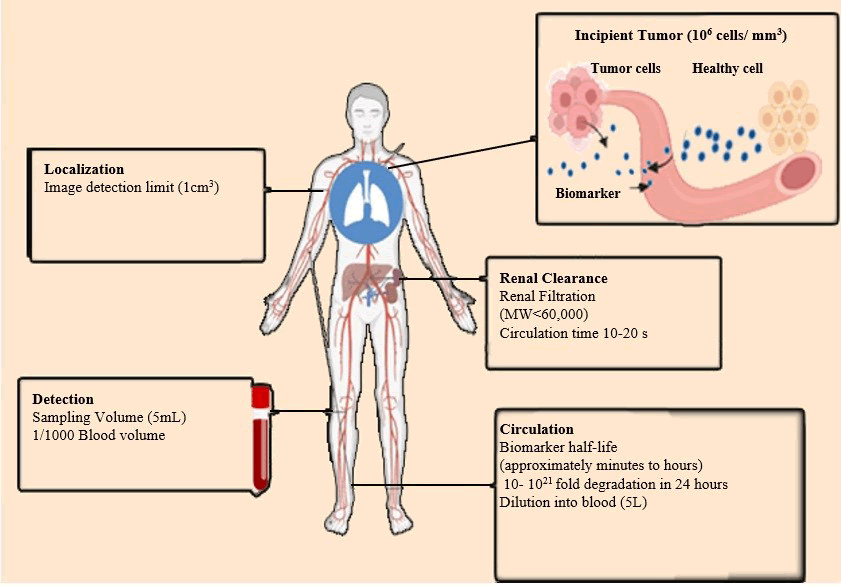
Fig. 2. Biomarkers in cancer detection, diagnosis, and prognosis (Adapted and modifed with permission) [25].
Detection techniques for mtDNA mutations: The developments in molecular biology have contributed to the generation of very sensitive methods to search for mtDNA mutations in cancer patients. These techniques have evolved to become highly sensitive and precise so they also allow researchers and clinicians to discover low-frequency mutations that reside in a smaller subsample of cancer cells [26]. Detection of mtDNA mutations has become one of the most widely used techniques for Next-Generation Sequencing (NGS). NGS allows for high-throughput sequencing of the entire mitochondrial genomes and provides identification of point mutations, deletions, insertions and rearrangements. NGS can detect mtDNA mutations with significantly greater sensitivity, even in liquid biopsies and non-invasive analyses of circulating tumor DNA (ctDNA) in blood. Because liquid biopsies [21] can provide real-time information regarding the genetic makeup of cancer without invasive tissue biopsies, liquid biopsies are of utmost value in diagnosing cancer and monitoring the same. Another technique used to detect mDNA mutations is digital PCR (dPCR). Digital PCR offers exceptional sensitivity, enabling the quantification of specific mtDNA mutations with a significantly higher level of precision. By nature of the traditional PCR, relative quantification of the frequencies of mutations is provided, but with dPCR, which is useful to obtain absolute quantification, making it an excellent technique for analyzing low-level mutations in samples of heterogeneous tumours. Apart from the NSG and dPCR, the deicing of the mutations of mtDNA still asks for other techniques, such as allele-specific PCR and Sanger sequencing [27]. However, these methods are typically less sensitive than dPCR and NSG and fail to discern mutations occurring at the greatest frequency or heteroplasmic mutations (i.e., mutant plus wild-type mtDNA within the same cell). Their development is focused on developing these advanced detection techniques and, as a result, has increased the chance of studying the mtDNA mutations in cancer and opened doors for its practice in the clinical [28].
Prognostic value of mtDNA mutations: In this respect, mtDNA mutations offer significant promise as prognostic biomarkers, biomarkers that inform us how likely the patient’s disease will affect them in the future [29]. Several studies have demonstrated that specific mutations of mtDNA are associated with poor prognosis of cancer patients and, therefore, can be potential biomarkers to predict the course of disease and treatment modalities. For example, specific mtDNA mutations in breast cancer are associated with more aggressive disease phenotypes and decreased rates of survival [30]. Individuals who have these mutations produce more ROS and have altered mitochondrial function, leading to increased growth in the tumour. Then we have metastasis, and then we have chemotherapy resistance. For example, studies indicate a link between mtDNA mutations and higher stages of the tumour, a higher risk of metastasis, and, as such, an indication of more severe lung cancer [31]. Yet, the clinical application of mtDNA mutations as a prognostic biomarker is still limited due to many challenges. One of the primary challenges is heteroplasmy, the coexistence of mutant and wild-type mtDNA within the same cell [32]. This further complicates the interpretation of the frequency of mutations, as the impact of a particular mutation on mitochondrial functions depends on the relative abundance of mutant vs wild-type mtDNA.
Moreover, it is difficult to distinguish between somatic mutations (those acquired during the lifetime of a person) and inherited polymorphisms (genetic variations passed down from parents) while analyzing the mutations of mtDNA [33]. Future research is essential to overcome the challenges of fully harnessing mtDNA mutations as predictive biomarkers. Techniques for quantifying heteroplasmy more accurately and distinguishing between the somatic mutations and polymorphism are highly important for improving the reliability of the mtDNA-based biomarkers within the clinical practice [34].
Therapeutic strategies targeting mtDNA mutations
mtDNA mutations play an important role in therapeutic resistance and cancer progression, targeting mitochondrial dysfunction tends to present a highly promising strategy for the treatment of cancer. Over the years, several therapeutic approaches have been developed that specifically target mtDNA mutations or the metabolic changes induced by these mutations [35]. These strategies aim to restore normal mitochondrial functions, enhancing the effectiveness of the present treatments or selectively killing the cells of cancer with dysfunctional mitochondria [31,36], as shown in Figure 3.
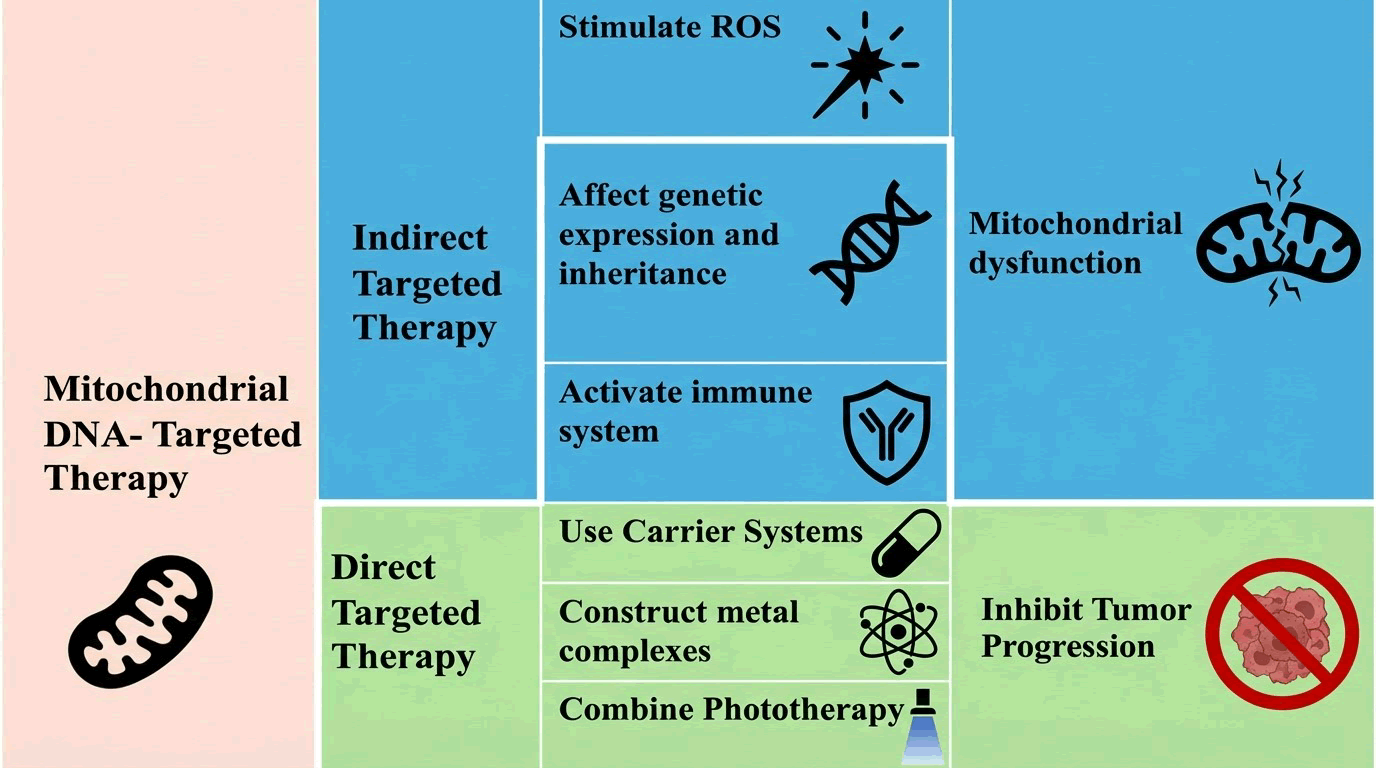
Fig. 3. Mitochondrial DNA-targeted therapy.
Mitochondrial genome editing: Mitochondrial genome editing is one of the most existing and innovative approaches associated with targeting mtDNA mutations. While nuclear DNA editing has become routine with technologies like CRISPR-Cas9, editing mtDNA remains highly challenging due to the unique characteristics of the mitochondrial genome [37]. Mitochondria have their double membrane, and their genome tends to lack many of the repair mechanisms that nuclear DNA has, making it difficult to deceive the gene-editing tools and incorrect mutations. However, recent advances have brought hope for selectively targeting and repairing the mtDNA mutations [38]. The creation of mitochondrially targeted CRISPR systems is one such development. The traditional CRISPR system has struggled to reach the mitochondria, and researchers have been inclined towards developing modified versions of the technology that enter the mitochondria and selectively edit mtDNA. This research is still in the early stages and offers strong potential for correcting pathogenic mtDNA mutations and restoring normal mitochondrial functions in the cells of cancer [39]. mitoTALENs (mitochondria-Targeted Transcription Activator-Like Effector Nucleases) are another promising technology that has selectively degraded the mutated mtDNA. By removing the mutated copies of mtDNA, mitoTALENs help allow the cell to repopulate its mitochondria with wild-type mtDNA and help potentially reverse the effects associated with mtDNA mutations on cancer progression and cellular metabolism [40].
Metabolic therapies: Metabolic therapies targeting the altered energy metabolism of cancer cells have a high level of promise associated with it, in addition to genome editing. Cancer cells with mtDNA mutations rely on glycolysis to produce energy, making them more vulnerable to therapies inhibiting glycolysis or enhance the function of mitochondria. Pyruvate therapy is one such therapy that helps restore the normal metabolism of the mitochondria by supplying pyruvate to the cancer cells and bypassing the need associated with glycolysis [41]. Early studies have shown that pyruvate therapy helps reduce tumour growth and enhances the effectiveness of the present treatment of cancer. Another metabolic therapy involves the use of metformin, a drug used for treating type 2 diabetes. Metformin has helped show the inhibitory complex mitochondrial I and leads towards a reduction in the production of ATP and a corresponding increase in glycolysis reliance. By targeting the altered metabolism of cancer cells, metformin helps enhance the effectiveness associated with chemotherapy and reduces the likelihood of drug resistance [30].
Targeted drug development: The development of the drugs, especially targeting mitochondrial dysfunction, is an area of active research. These drugs primarily aim to exploit the vulnerabilities induced by mtDNA mutations, such as increased ROS production and impaired OXPHOS, to selectively target and kill cancer cells while sparing normal cells [42]. Mitochondria-targeted antioxidants are one promising class of drugs designed to reduce oxidative stress by scavenging ROS within the mitochondria. This antioxidation lowers the level of ROS to prevent further damage to mtDNA and slow cancer progression [43]. Furthermore, drugs such as Bcl- 2 inhibitors have demonstrated high lethality against cancer cells in which mitochondria have become dysfunctional and unable to maintain mitochondrial membrane potential, leading those cells to apoptosis. Another crucial target site is the mitochondrial Permeability Transition Pore (mPTP), a pore that plays a major role in cell death. Opening of mPTP due to the drug leads to the induction of apoptosis in mtDNA-mutated cancer cells, which is an effective method to bypass apoptotic resistance [14].
Discussion
The current systematic review seeks to critically examine the function of mtDNA mutations in tumour formation, metastasis, and therapy resistance. The review has revealed how the mutations, by disrupting the normal process of mitochondria, cause the vital processes engaged in tumour growth and development. mtDNA mutations have proven to be immensely beneficial biomarkers for cancer diagnosis and prognosis. This understanding outlines the overall significance given to mitochondria in cancer biology. It also emphasizes the large challenges that have existed in the clinical application of mtDNA-targeted therapies and the proper use of mtDNA mutations as biomarkers.
mtDNA mutations and cancer progression: The findings of this review demonstrate that mutations of mtDNA play an important role in the earliest phases of tumorigenesis, which is the process of tumor initiation from normal cells to cancer cells. Mitochondria are the primary centers of OXPHOS dependent energy generation, but mtDNA mutations weaken the mitochondrial respiratory chain and inhibit this process. This injury leads to the metabolic shift from OXPHOS to glycolysis, a condition known as the Warburg effect, usually observed in cancer cells. The increased reliance on glycolysis allows the cancer cells to generate energy and biosynthetic precursors needed for them to proliferate quickly despite low oxygen levels and features of tumor microenvironment. Another role of mtDNA mutations is creating inflammatory ROS, which damage the cell’s proteins, lipids, and nuclear DNA. ROS-induced DNA damage is a major player in cancer progression as ROS is known to drive mutations in several key oncogenes and tumour suppressor genes. Levels of ROS are high in cancer cells, which are required to support the cancer cell’s ability to invade surrounding tissues and metastasize; processes including Epithelial to Mesenchymal Transition (EMT), a key component in the metastatic cascade. This has implications for showing that mtDNA mutations contribute to the initiation, progression, and metastatic spread of cancer.
Therapeutic resistance and metabolic flexibility: The largest concern related to mtDNA mutations in cancer is their role in therapeutic resistance overall. The inherent design of cancer treatments, primarily chemotherapy and radiotherapy, aims to induce apoptosis in cancer cells by damaging cellular DNA and generating oxidative stress. However, cancer cells with mtDNA mutations are increasingly becoming resistant to these therapies. Because of their role in metabolic flexibility and ability to evade apoptosis, these cells have become inclined to have an increased capability to survive under oxidative stress conditions. An increased glycolysis level and impaired OXPHOS characterize the metabolic reprogramming observed within the cancer cells with mtDNA mutations. Further, it allows them to generate energy under normally lethal conditions. This metabolic shift observed helps support rapid proliferation and makes the cancer cells less dependent on the mitochondrial functions targeted by some cancer therapies. Many anti-cancer drugs tend to rely on ROS generation to kill cancer cells, but mtDNA mutationproducing ROS tolerance makes these drugs less effective. Moreover, mtDNA mutations’ disruption of apoptotic pathways further complicates cancer treatment. Mitochondria is integral in helping regulate apoptosis by relating to pro-apoptotic factors like CYTC. However, mutations within mtDNA are involved in this process, helping to release these factors and allowing cancer cells to evade the cell data. This resistance to apoptosis is a major site of contribution toward the failure of treatment, mainly in aggressive and advanced cancer stages.
mtDNA as biomarkers for diagnosis and prognosis: The potential associated with mtDNA mutations as biomarkers for diagnosis and prognosis of cancer is another key finding related to this review. mtDNA mutations are found in many types of cancer and are detected in tumour tissues, blood, and other body fluids. This makes them highly attractive biomarkers, as they offer a non-invasive way of monitoring the progression of the disease and response to treatment through liquid biopsy techniques. In cancer diagnosis, the presence of specific mtDNA mutations is an early indicator of cancer. It may increase the overall likelihood of detection at a time when the disease is not yet advanced and hence still controllable. The mutations may serve as a prognostic tool and assist in stratifying the patients according to their risk for disease progression and response to certain therapy. Nonetheless, heteroplasmy is one of the serious problems in the clinical use of mtDNA as a biomarker. This involves having both mutant and wild-type mtDNA present within the same cell. Heterogeneity of the percentage of the mutant mtDNA complicates data interpretation, as the clinical significance of a particular mutation is largely determined by heteroplasmy levels. Secondly, distinguishing between somatic mutations (mutations that occur in the life span of an individual) and inherited polymorphisms (genetic variation that is hereditary from parents) is difficult, especially in disease-specific mutations. The upcoming study is to determine appropriate metrics to quantify heteroplasmy and distinguish between somatic and inherited mtDNA mutations. Large clinical trials would be needed to confirm the mtDNA mutations as valid cancer diagnosis and prognosis markers, and also for treatment monitoring.
Therapeutic approaches targeting mtDNA mutations: The implications associated with this review also uncovered the therapeutic potential of mtDNA mutation targeting in cancer. Because mtDNA mutations contribute to drug resistance and the development of cancer, the development of tools for mitochondrial dysfunction is an excellent method for manipulating these processes. Genome editing of the mitochondria is typically, however, preceded by considerable technical challenges primarily because of the unusual properties of the mitochondrial genome and the challenge of delivering gene-editing machinery into the mitochondria. New advancements in the field of technologies like mitochondrially targeted CRISPR systems and mitoTALENs hold great promise for the repair of pathogenic mtDNA mutations. These technologies have the potential to specifically target and correct aberrant mtDNA with the ability to reverse normal mitochondrial function in cancer cells. However, more studies should be conducted to optimise these strategies and assess their cumulative efficiency and safety within the clinic. Apart from genome editing, other metabolic therapies targeting the deranged energy metabolism of cancer cells also have great promise. Pharmacological targeting of glycolysis or boosting the mitochondrial functions takes advantage of the weaknesses induced by mtDNA mutation and selectively induces killing in the cancer cells while leaving the normal cells intact. Pyruvate therapy and metformin, for instance, act on the aberrant metabolic pathways of the mitochondria-deficient cancer cells and have been promising in early clinical trials. These therapies enhance the effectiveness of existing treatments and reduce the risks of therapeutic resistance.
Table 1 presents a tabular representation of the most salient results from the meta-analytic studies on mtDNA mutations in cancer to introduce an organized picture of the results. The studies have explained how different types of mtDNA mutations are responsible for tumorigeneses, metastasis, and drug resistance in different cancers. For example, point mutations and their identification are associated with excessive production of ROS and abnormal OXPHOS, both of which play a role in the development of cancer. In addition, TP53-associated mtDNA mutations and mtDNA copy number differences present a unique challenge to treatment and reinforce the role of mtDNA as an emergent strong future biomarker and therapeutic target in cancer. This review has underscored how mtDNA mutations are the cause of heterogeneity of cancer and of new therapeutic challenges to reverse mitochondrial dysfunction.
| Study | Mutation type | Cancer type | Findings on cancer progression | Therapeutic implications | Frequency of mutation |
| [28] | Point mutations, deletions | Breast, colon, lung | mtDNA mutations promote tumorigenesis by disrupting Oxidative Phosphorylation (OXPHOS) and increasing Reactive Oxygen Species (ROS) levels. | Targeting ROS pathways and enhancing mitochondrial function could reduce tumor progression. | High |
| [20] | mtDNA copy number variation | Multiple cancers | Reduced mtDNA copy numbers correlate with aggressive cancer phenotypes and poorer survival outcomes. | mtDNA copy number as a biomarker for prognosis and potential target in metabolic therapy. | Variable |
| [44] | Somatic and germline variants | Breast, prostate, others | Somatic mtDNA mutations often result in heteroplasmy and drive genetic instability within tumors, affecting overall survival. | Developing mitochondrial-targeted therapies to correct or offset mutation effects. | Moderate to high |
| [45] | TP53-associated mtDNA mutations | Colorectal | TP53 mutation impacts mitochondrial dynamics, promoting drug resistance in colorectal cancers. | Potential to develop drugs targeting TP53-mitochondria pathways to improve therapy response. | Moderate |
| [6] | Homoplasmic mtDNA mutations | Breast | Homoplasmic mtDNA mutations shift energy production to glycolysis (Warburg effect), aiding cancer cell survival in hypoxia. | Exploring metabolic inhibitors targeting glycolysis for cancers with mtDNA mutations. | High |
Tab. 1. Summary analysis of mtDNA mutations in cancer.
Conclusion
mtDNA mutations are currently recognized as major characters in the oncology of cancer, that is, cancer formation, therapy resistance and metastasis. Mutations in mtDNA play a role in altering mitochondrial function and are responsible for alterations in the cell's energy production and regulation, increasing ROS production and defective apoptotic processes. These alterations collectively contribute to cancer cell proliferation, survival, and dissemination, Due to their collective contribution to these occurrences. mtDNA mutations help to outline a promising line of reasoning for the potential to develop new innovative diagnostic and therapeutic tools in oncology. mtDNA mutation in cancer possesses one of the basic impacts on the energy metabolism of the cell. It is crucial that this metabolic reprogramming allows the cancer cells to generate energy and stockpile biosynthetic precursors for the exponential growth of cells, even in the low concentration of oxygen, and is a common occurrence within the tumour microenvironment. The mtDNA mutations facilitate tumorigenesis through the establishment of metabolic advantages within the cancer cells and render the mitochondria a viable target for therapeutic interventions. In addition to tumour growth observed, mutations in mtDNA are also the reason for drug resistance, rendering it impossible to develop effective cancer cures. The majority of traditional cancer treatments, like chemotherapy and radiotherapy, rely on inducing oxidative stress to lead to cancer's death. Additionally, mtDNA mutations interfere with mitochondrial-mediated apoptosis, which is crucial for the effectiveness of the majority of anti-cancer drugs. Thus, a depletion of mitochondrial mechanisms for such resistance is a therapeutic promise for maximizing the efficacy with respect to current treatments. Another target of special relevance is metastasis, and mtDNA has a special task to perform. mtDNA mutations facilitate the process by elevating the level of ROS and triggering such mechanisms as EMT. During EMT, cell-cell adhesion is lost in cancer cells, but increased mobility is achieved, and the ability to invade the surrounding tissues is acquired. Blockade of mitochondrial pathways regulating metastasis and EMT, new therapies inhibit cancer spread and improve patient prognosis.
Diagnostic and prognostic applications of mtDNA mutations are also positive. As mtDNA mutations are present in most cancers and can conveniently be identified in body fluids, they are examined as biomarkers to diagnose and forecast cancer. Liquid biopsy is a non-invasive method that is promising to follow the mtDNA mutation in real-time. Clinicians using this method will be able to monitor how the tumour develops, evaluate the efficiency of treatment, and identify when a relapse is present earlier than using the conventional techniques. Additional research further seeks to enhance detection specificity in order to maximize the potential of mtDNA as a biomarker. Promising as it is, nevertheless, there are still considerable obstacles to be surmounted in using clinically mitochondrially targeted treatments. The technical hurdle of editing our repair mtDNA with the mitochondria because of the organelle's single double membrane structure and the lack of effective gene editing tools for mitochondrial DNA, are some of the greatest hurdles that persist. Progress toward the invention of mitochondrialtargeting gene editing tools like mitoTALENs and CRISPR-based approaches exists. Their use across the board in the clinic is yet to be investigated. In addition, mitochondrial genomics are complicated with multiple copies of mtDNA (and, theoretically, multiple types of mutations) per cell, making the targetability of treatments more difficult.
Author Statement
All authors have read and approved the final version of the manuscript. Each author contributed significantly to the work and accepts responsibility for its integrity.
Competing Interest
The authors declare no relevant financial or non-financial interests.
Conflict of Interest
Authors declare no conflicts of interests.
Funding
The authors declare that no funds, grants, or other support were received during the preparation of this manuscript.
References
- Afrifa J, Zhao T, Yu J. Circulating mitochondria DNA, a non-invasive cancer diagnostic biomarker candidate. Mitochondrion. 2019; 47:238-243.
[Crossref] [Google Scholar] [PubMed]
- Cavalcante GC, Ribeiro-dos-Santos Â, de Araújo GS. Mitochondria in tumour progression: A network of mtDNA variants in different types of cancer. BMC Genom Data. 2022; 23:16.
[Crossref] [Google Scholar] [PubMed]
- Yusoff AAM, Wan Abdullah WS, Khair SZNM, Abd Radzak SM. A comprehensive overview of mitochondrial DNA 4977-bp deletion in cancer studies. Oncol Rev. 2019; 13:409.
[Crossref] [Google Scholar] [PubMed]
- Luo Y, Ma J, Lu W. The significance of mitochondrial dysfunction in cancer. Int J Mol Sci. 2020; 21:5598.
[Crossref] [Google Scholar] [PubMed]
- Gammage PA, Frezza C. Mitochondrial DNA: The overlooked oncogenome?. BMC Biol. 2019; 17:53.
- Pérez-Amado CJ, Tovar H, Gómez-Romero L. Mitochondrial DNA mutation analysis in breast cancer: Shifting from germline heteroplasmy toward homoplasmy in tumors. Front Oncol. 2020; 10:572954.
[Crossref] [Google Scholar] [PubMed]
- Thakur N, Sharma AK, Singh H, Singh S. Role of mitochondrial DNA (mtDNA) variations in cancer development: A systematic review. Cancer Invest. 2020; 38:375-393.
[Crossref] [Google Scholar] [PubMed]
- García-Heredia JM, Carnero A. Role of mitochondria in cancer stem cell resistance. Cells. 2020; 9:1693.
[Crossref] [Google Scholar] [PubMed]
- Yan C, Duanmu X, Zeng L, Liu B, Song Z. Mitochondrial DNA: Distribution, mutations, and elimination. Cells. 2019; 8:379.
[Crossref] [Google Scholar] [PubMed]
- Mustafa MF, Fakurazi S, Abdullah MA, Maniam S. Pathogenic mitochondria DNA mutations: Current detection tools and interventions. Genes. 2020; 11:192.
- Li LY, Guan YD, Chen XS, Yang JM, Cheng Y. DNA repair pathways in cancer therapy and resistance. Front Pharmacol. 2021; 11:629266.
[Crossref] [Google Scholar] [PubMed]
- Ngoi NYL, Choong C, Lee J, Bellot G, Wong AL, et al. Targeting mitochondrial apoptosis to overcome treatment resistance in cancer. Cancers. 2020; 12:574.
[Crossref] [Google Scholar] [PubMed]
- Pérez-Amado CJ, Bazan-Cordoba A, Hidalgo-Miranda A, Jimenez-Morales S. Mitochondrial heteroplasmy shifting as a potential biomarker of cancer progression. Int J Mol Sci. 2021; 22:7369.
- Lin YH, Lim SN, Chen CY, Chi HC, Yeh CT, et al. Functional role of mitochondrial DNA in cancer progression. Int J Mol Sci. 2022; 23:1659.
[Crossref] [Google Scholar] [PubMed]
- Zhao Z, Mei Y, Wang Z, He W. The effect of oxidative phosphorylation on cancer drug resistance. Cancers. 2023; 15:62.
[Crossref] [Google Scholar] [PubMed]
- Lai YH, Liu HY, Huang CY, Chau YP, Wu S. Mitochondrial-DNA-associated TLR9 signalling is a potential serological biomarker for non-small cell lung cancer. Oncol Rep. 2019; 41:999-1006.
[Crossref] [Google Scholar] [PubMed]
- Agrawal M, Agrawal SK. Deciphering the role of mitochondrial DNA targeted therapy in hepatic cell carcinoma. Gene Expr. 2025; 24:46-55.
- Al-Faze R, Ahmed HA, El-Atawy MA. Mitochondrial dysfunction route as a possible biomarker and therapy target for human cancer. Biomed J. 2025; 48:100714.
[Crossref] [Google Scholar] [PubMed]
- de Almeida Rainho M, Siqueira PB, de Amorim ÍSS, Mencalha AL, Thole AA. Mitochondria in colorectal cancer stem cells - a target in drug resistance. Cancer Drug Resist. 2023; 6:273-283.
[Crossref] [Google Scholar] [PubMed]
- Zhang W, Du XF, Liu B. Engineering Supramolecular nanomedicine for targeted near infrared-triggered mitochondrial dysfunction to potentiate Cisplatin for efficient chemophototherapy. ACS Nano. 2022; 16:1421-1435.
[Crossref] [Google Scholar] [PubMed]
- Vikramdeo KS, Anand S, Sudan SK. Profiling mitochondrial DNA mutations in tumors and circulating extracellular vesicles of triple-negative breast cancer patients for potential biomarker development. FASEB Bioadv. 2023; 5:412-426.
[Crossref] [Google Scholar] [PubMed]
- Shakhpazyan NK, Mikhaleva LM, Bedzhanyan AL. Mitochondrial DNA mutations in colorectal cancer stem cells: Implications for tumor dynamics and therapeutic strategies. Curr Med Chem. 2024.
- Nguyen NNY, Kim SS, Jo YH. Deregulated mitochondrial DNA in diseases. DNA Cell Biol. 2020; 39:1385-1400.
[Crossref] [Google Scholar] [PubMed]
- Gao Y, Zheng H. Role of mitochondria and potential of mitochondria-targeted therapy in BRAF mutant cancer: A review. Crit Rev Oncol Hematol. 2024; 203:104484.
[Crossref] [Google Scholar] [PubMed]
- Das S, Dey MK, Devireddy R, Gartia MR. Biomarkers in cancer detection, diagnosis, and prognosis. Sensors. 2024; 24:37.
[Crossref] [Google Scholar] [PubMed]
- Khadka P, Young CKJ, Sachidanandam R, Brard L, Young MJ. Our current understanding of the biological impact of endometrial cancer mtDNA genome mutations and their potential use as a biomarker. Front Oncol. 2024; 14:1394699.
[Crossref] [Google Scholar] [PubMed]
- Xu Z, Chen X, Zhou H. The clinical significance of mitochondrial calcium uniporter in gastric cancer patients and its preliminary exploration of the impact on mitochondrial function and metabolism. Front Oncol. 2024; 14:1355559.
[Crossref] [Google Scholar] [PubMed]
- Kopinski PK, Singh LN, Zhang S, Lott MT, Wallace DC. Mitochondrial DNA variation and cancer. Nat Rev Cancer. 2021; 21:431-445.
[Crossref] [Google Scholar] [PubMed]
- Cocetta V, Ragazzi E, Montopoli M. Mitochondrial involvement in Cisplatin resistance. Int J Mol Sci. 2019; 20:3384.
[Crossref] [Google Scholar] [PubMed]
- Kolenc A, MaliÄev E. Current methods for analysing mesenchymal stem cell-derived extracellular vesicles. Int J Mol Sci. 2024; 25:3439.
[Crossref] [Google Scholar] [PubMed]
- Swann SA, Kaida A, Nicholson V. British Columbia CARMA-CHIWOS Collaboration (BCC3): Protocol for a community-collaborative cohort study examining healthy ageing with and for women living with HIV. BMJ Open. 2021; 11:e046558.
[Crossref] [Google Scholar] [PubMed]
- Seo HA, Moeng S, Sim S, Kuh HJ, Choi SY, et al. MicroRNA-based combinatorial cancer therapy: Effects of MicroRNAs on the Efficacy of anti-cancer therapies. Cells. 2019; 9:29.
[Crossref] [Google Scholar] [PubMed]
- Ayipo YO, Chong CF, Abdulameed HT, Mordi MN. Bioactive alkaloidal and phenolic phytochemicals as promising epidrugs for diabetes mellitus 2: A review of recent development. Fitoterapia. 2024; 175:105922.
[Crossref] [Google Scholar] [PubMed]
- Anbarasu K. Human stem cell differentiated retinal ganglion cells for developing glaucoma neuroprotection and cell replacement strategies. Indiana University Indianapolis; 2024.
- Maddela NR, Venkateswarlu K, Kakarla D, Megharaj M. Inevitable human exposure to emissions of polybrominated diphenyl ethers: A perspective on potential health risks. Environ Pollut. 2020; 266:115240.
[Crossref] [Google Scholar] [PubMed]
- Lin Y, Yang B, Huang Y. Mitochondrial DNA-targeted therapy: A novel approach to combat cancer. Cell Insight. 2023; 2:100113.
[Crossref] [Google Scholar] [PubMed]
- Lin YH, Lim SN, Chen CY, Chi HC, Yeh CT, et al. Functional role of mitochondrial DNA in cancer progression. Int J Mol Sci. 2022; 23:1659.
[Crossref] [Google Scholar] [PubMed]
- Tolomeo M, Cascio A. STAT4 and STAT6, their role in cellular and humoral immunity and in diverse human diseases. Int Rev Immunol. 2024; 43:394-418.
[Crossref] [Google Scholar] [PubMed]
- Lago Martínez J. Molecular epidemiology driving precision medicine: Unraveling some genetic and environmental determinants in certain Colombian populations. Universidad de los Andes; 2024.
- Falcone M, Salhia B, Hughes Halbert C. Impact of structural racism and social determinants of health on disparities in breast cancer mortality. Cancer Res. 2024; 84:3924-3935.
[Crossref] [Google Scholar] [PubMed]
- Fülöp T, Pawelec G, Cohen AA. Inflammaging and immunosenescence. 2024:57-71.
- Chen K, Lu P, Beeraka NM. Mitochondrial mutations and mitoepigenetics: Focus on regulation of oxidative stress-induced responses in breast cancers. Semin Cancer Biol. 2022; 83:556-569.
[Crossref] [Google Scholar] [PubMed]
- Maresca A, Del Dotto V, Romagnoli M. Expanding and validating the biomarkers for mitochondrial diseases. J Mol Med (Berl). 2020; 98:1467-1478.
[Crossref] [Google Scholar] [PubMed]
- Wei Y, Lv J, Guo Y. Soy intake and breast cancer risk: A prospective study of 300,000 Chinese women and a dose-response meta-analysis. Eur J Epidemiol. 2020; 35:567-578.
[Crossref] [Google Scholar] [PubMed]
- Elshazli RM, Toraih EA, Elgaml A, Kandil E, Fawzy MS. Genetic polymorphisms of TP53 (rs1042522) and MDM2 (rs2279744) and colorectal cancer risk: An updated meta-analysis based on 59 case-control studies. Gene. 2020; 734:144391.
[Crossref] [Google Scholar] [PubMed]