Research Article - Onkologia i Radioterapia ( 2026) Volume 20, Issue 7
Enhancing Quality of Life through Coping Strategies: A Study Among Staff Nurses with Relevance to Oncology and Palliative Care Practice
K. Balasubramanian1*, Anita David2*, Uppuluri Sujatha3*, S. Malathi1, Swarna Deepak Kuragayala4, G. Shwetha Kumari5 and Dasari Gowthami662Department of Pediatrics Nursing, Sri Ramachandra Institute of Higher Education and Research-SRIHER (Deemed to be University), Chennai, Tamil Nadu, India
3Department of Anatomy, Gandhi Medical College, Secunderabad, Telangana, India
4Department of Critical Care Medicine, Apollo Health City, Jubilee Hills, Hyderabad, Telangana, India
5Department of Pharmacology, Apollo Institute of Medical Sciences and Research, Jubilee Hills, Hyderabad, India
6Department of Mental Health Nursing, TGSRTC College of Nursing Tarnaka,Hyderabad, Telangana, India
K. Balasubramanian, Department of Mental Health Nursing, Vinayaka Mission’s Annapoorana College of Nursing, Vinayaka Mission’s Research Foundation – Deemed to be University, Salem, Tamil Nadu, India, Email: anitadavid@sriramachandra.edu.in Anita David, Department of Pediatrics Nursing, Sri Ramachandra Institute of Higher Education and Research-SRIHER (Deemed to be University), Chennai, Tamil Nadu, India, Uppuluri Sujatha, Department of Anatomy, Gandhi Medical College, Secunderabad, Telangana, India,
Received: 11-Mar-2026, Manuscript No. OAR-26-194148; , Pre QC No. OAR-26-194148 (PQ); Editor assigned: 13-Mar-2026, Pre QC No. OAR-26-194148 (PQ); Reviewed: 27-Mar-2026, QC No. OAR-26-194148; Revised: 13-Aug-2026, Manuscript No. OAR-26-194148 (R); Published: 20-Aug-2026
Abstract
Nurses often experience poor work-life balance, with only 2% of female nurses reportedly spending quality time with their families. Additionally, 22% cited long working hours and overtime as barriers to family interaction. Problem-solving was the most common coping strategy employed by nurses in emergency care units. This study aimed to assess the Quality of Life (QoL) and coping strategies among staff nurses in experimental and control groups and evaluate the effectiveness of coping strategies on QoL. A total of 280 staff nurses (140 in each group) from selected hospitals in Tamil Nadu were selected using simple random sampling. Tools included the WHO quality of life scale and the brief COPE inventory. Data were analyzed using descriptive and inferential statistics via SPSS version 25. Preintervention results showed that 91.43% had average, 8.57% poor, and none had good QoL. Regarding coping, 53.57% exhibited unfavorable, 46.43% moderate, and none had favorable coping levels. A paired t-test revealed a statistically significant improvement in both QoL and coping post-intervention in the experimental group. The study concluded that motivational enhancement therapy significantly improved QoL and coping strategies among staff nurses. These findings support the integration of structured coping enhancement programs in nursing practice, particularly in high-stress units such as oncology and palliative care, where nurses often face emotional strain from prolonged exposure to cancer patients.Keywords
Quality of life; Coping strategies; Motivational enhancement therapy; Staff nurses; Oncology and palliative care; Cancer patients
Introduction
Nurses currently comprise up the greatest proportion of the healthcare workforce, and employment in this field is likely to develop in the coming years. Nurses encounter numerous obstacles in the workplace, including staff shortages, low pay, burnout, and job overload; as a result, experienced nurses have a high incidence of employee turnover [1]. Consequently, these factors may affect the provision of high-quality nursing care and lead to poor productivity. It is therefore integral to explore factors affecting job-related satisfaction in the nursing sector, particularly as high rates of job satisfaction help increase employee retention and improve patient outcomes [2].
Nursing is a very difficult profession. Nurses are subjected to personal, interpersonal, and organizational stress, which has a negative impact on their health and job happiness. Nursing workers are frequently confronted with tough and emotionally charged events in clinical practice, such as a patient's prolonged suffering and death, which can cause feelings of despair, anxiety, frustration, helplessness, and even guilt. Nurses who are stressed despise their jobs, have trouble communicating with their coworkers, and finally quit as shown in the Figure 1. Furthermore, long-term occupational stress for nurses can lead to burnout, decreased productivity, and frequent absences from work, as well as decreased patient satisfaction, family issues, alcohol and drug misuse, depression, and even suicide. Although there are many different perspectives on professions and their associated stress, nursing is frequently thought to as a demanding profession, particularly in intensive care units [3].
Coping mechanisms are the ways people employ to cope with painful or difficult emotions when they are stressed or traumatized as shown in the Figure 1. Coping methods can help people cope with difficult situations while also maintaining their emotional health. Psychological stress can be caused by significant life experiences, whether positive or unpleasant. Miscarriage, divorce, the death of a loved one, or the loss of a career are all difficult occurrences that can bring grief or distress in most people. Even events that many people regard to be positive, such as getting married, having a kid, and purchasing a home, can cause tremendous stress. Depending on the scenario, people may use a combination of behavior, thought, and emotion to cope with stress. Coping techniques can be used to manage stress or to deal with anger, loneliness, anxiety, or depression [4].
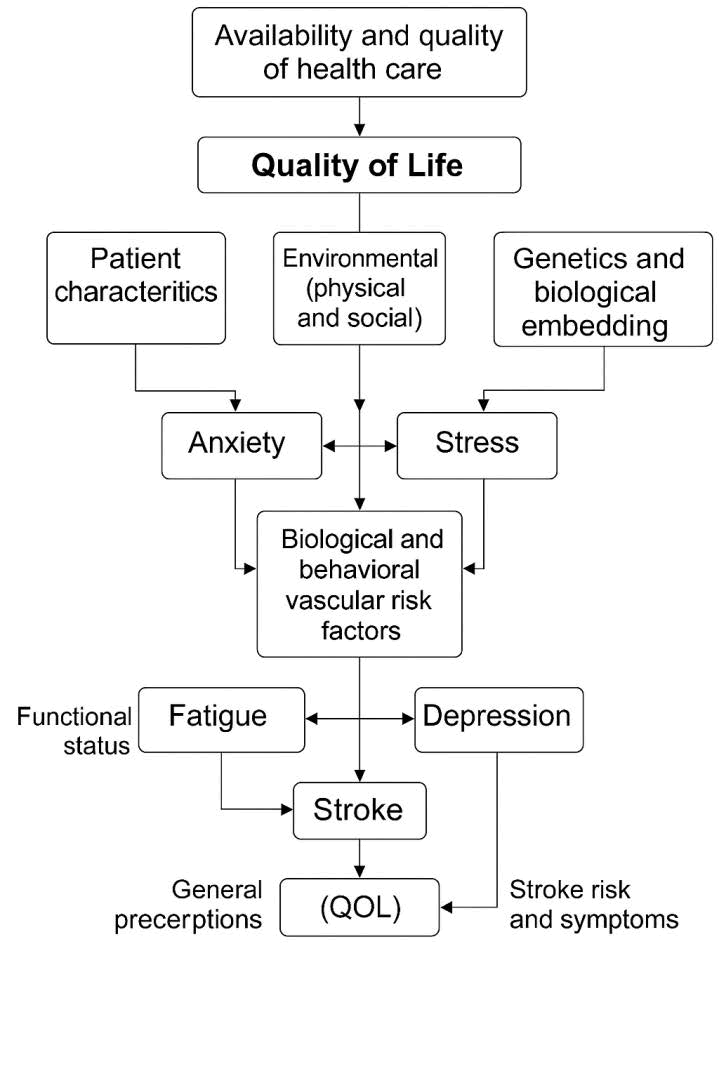
Fig. 1. Factors associated with QoL in nurses.
Nursing has considered as a physically and emotionally stressful profession. Nurses had great stress levels in the workload and time pressure. Almost half (46.9%) of emergency department nurses were in the high pressure level of occupational stresses. Great levels of stress were reported by more than half (52.2%) nurses, the major stressful factors are identified as patient death and dying (32.8%), followed by emergency situations (22.8%), and low supportive relationships (18.0%). Meanwhile, an individual factors, organizational practices and structures affect nurse managers’ stress [5].
The nursing profession in India is facing the issue indicate that nurses still have challenging working conditions like abuse from employers, colleagues, and patients' families; very low salary, workplace restrictions, poor work environments and no social acceptance. It is highly essential to identify the challenges faced by the nurses in the work setting to address issues [6].
Aim and objectives
The study aims to evaluate the effectiveness of coping strategies in enhancing the quality of life and coping among staff nurses. It is hypothesised that these strategies will result in significant improvements that are associated with selected demographic variables. The objective is to compare pretest and post-test levels of QoL and coping and to examine their relationships with demographic characteristics.
Materials and Methods
An experimental study with a pretest-posttest control group design and quantitative approach was conducted among staff nurses in selected hospitals of Salem city, Tamil Nadu. Using a two-stage simple random sampling technique, the city was divided into four zones, and the east zone was selected. Two hospitals were chosen by lottery, yielding a sample of 280 staff nurses (140 per group), determined by power analysis (Open Epi version 3.01) with a 95% confidence interval and 75% power. Inclusion criteria comprised staff nurses (GNM, B.Sc(N), M.Sc(N) willing to participate; ANM - qualified nurses, those absent during data collection, and those previously exposed to the intervention were excluded. Data were collected through structured interviews covering socio-demographic variables, WHOQOL-BREF for quality of life, and the Brief- COPE scale [7] for coping. The experimental group received a 16- day motivational enhancement therapy intervention in subgroups of 35, with pretests and post-tests conducted at one and three months. Ethical approval was obtained from the Institutional Ethical Committee of Vinayaka Mission’s Annapoorna College of Nursing, along with permissions from hospital authorities and informed consent from all participants. Data were analyzed using descriptive and inferential statistics.
Results
The study assessed the demographic characteristics of staff nurses working in selected hospitals in Tamil Nadu, revealing several differences between the experimental and control groups. In the experimental group, more participants were younger, with 54.29% aged 20–29 years compared to 40% in the control group, while the control group included more nurses aged 30-39 years (45%). Females were predominant overall, with a female-to-male ratio of about 3:1 in the experimental group and over 4:1 in the control group. Marital status differed considerably; 90% of nurses in the experimental group were married, while only 50% were married in the control group. Educational qualifications were similar, but B.Sc Nursing was slightly more frequent in the experimental group, whereas GNM was more common in the control group.
Most nurses in both groups belonged to joint families, had rural backgrounds, and reported being satisfied with their jobs without frequently changing employment as shown in the Tables 1 -4.
|
Demographic variables |
Experimental group |
Control group |
||
|
F |
% |
F |
% |
|
|
Age in years |
||||
|
20-29 years |
76 |
54.29 |
56 |
40 |
|
30-39 years |
50 |
35.71 |
63 |
45 |
|
40-49 years |
7 |
5 |
11 |
7.86 |
|
Above 50 years |
7 |
5 |
10 |
7.14 |
|
Gender |
||||
|
Male |
36 |
25.71 |
25 |
17.86 |
|
Female |
104 |
74.29 |
115 |
82.14 |
|
Marital status |
||||
|
Married |
126 |
90 |
70 |
50 |
|
Unmarried |
14 |
10 |
69 |
49.29 |
|
Widow |
0 |
0 |
0 |
0 |
|
Divorced |
0 |
0 |
0 |
0 |
|
Separated |
0 |
0 |
1 |
0.71 |
|
Educational status |
||||
|
GNM |
33 |
23.57 |
50 |
35.71 |
|
B.Sc(N) |
74 |
52.86 |
64 |
45.71 |
|
P.BSc(N) |
18 |
12.86 |
14 |
10 |
|
M.Sc(N) |
15 |
10.71 |
12 |
8.57 |
Tab. 1. Frequency and percentagewise distribution of staff nurses in the experimental and control groups according to age, gender, marital status, and educational status (N=280).
| Demographic variables | Experimental group (n=140) | Control group (n=140) | ||
| F | % | f | % | |
| Type of family | ||||
| Nuclear family | 42 | 30 | 59 | 42.12 |
| Joint family | 98 | 70 | 81 | 57.86 |
| Number of child | ||||
| Nil | 26 | 20.63 | 24 | 33.8 |
| 1 | 58 | 46.03 | 35 | 49.29 |
| 2 | 32 | 25.39 | 12 | 16.9 |
| 3 | 10 | 7.93 | 0 | 0 |
| Family monthly income | ||||
| <10000 | 12 | 8.57 | 96 | 68.57 |
| 10001-20000 | 44 | 31.43 | 26 | 18.57 |
| 20001-30000 | 60 | 42.86 | 8 | 5.71 |
| >300001 | 24 | 17.14 | 10 | 7.14 |
| Residential area | ||||
| Rural | 98 | 70 | 119 | 85 |
| Urban | 42 | 30 | 21 | 15 |
| Designation | ||||
| Staff nurse | 126 | 90 | 119 | 85 |
| Nursing supervisor | 7 | 5 | 11 | 7.86 |
| Nursing superintendent | 7 | 5 | 10 | 7.86 |
| Area of work | ||||
| Emergency/causality | 34 | 24.29 | 44 | 31.43 |
| Intensive care unit | 48 | 34.29 | 19 | 13.57 |
| General ward | 18 | 12.86 | 23 | 16.43 |
| Surgical wards/OT | 40 | 28.57 | 54 | 38.57 |
| Daily working hours | ||||
| 6-8 hours | 78 | 55.71 | 66 | 47.14 |
| 8-12 hours | 31 | 22.14 | 48 | 34.29 |
| More than 12 hours | 31 | 22.14 | 26 | 18.57 |
| Sleeping hours per day | ||||
| <5 hrs | 13 | 9.29 | 20 | 14.29 |
| 5-7 hrs | 96 | 68.57 | 80 | 57.14 |
| 7-9 hrs | 31 | 22.14 | 40 | 28.57 |
Tab. 2. Frequency and percentage wise distribution of staff nurses in experimental group and control group (N=280).
| Demographic variables | Experimental group | Control group | ||
| F | % | f | % | |
| Experience in current area work | ||||
| Below 5 years | 38 | 27.14 | 92 | 65.71 |
| 5-10 years | 72 | 51.43 | 22 | 15.71 |
| 10-15 years | 30 | 21.43 | 18 | 12.86 |
| Above 15 years | 0 | 0 | 8 | 5.71 |
| Previous hospital experience in years | ||||
| <5 years | 6 | 4.29 | 6 | 4.29 |
| 5-10 years | 74 | 52.86 | 63 | 45 |
| >10 years | 60 | 42.86 | 71 | 50.71 |
| Satisfied with your work | ||||
| Yes | 134 | 95.71 | 135 | 96.43 |
| No | 6 | 4.29 | 5 | 3.57 |
| Frequent shifting of jobs | ||||
| Yes | 6 | 4.29 | 3 | 2.14 |
| No | 134 | 95.71 | 137 | 97.86 |
Tab. 3. Frequency and percentage wise distribution of staff nurses in experimental group and control group according to their work experience and shifts (N=280).
| Quality of life | Control group | Experimental group | ||
| F | % | F | % | |
| Poor | 18 | 12.86 | 12 | 8.57 |
| Average | 122 | 87.14 | 128 | 91.43 |
| Overall | 140 | 100 | 140 | 100 |
| Coping | ||||
| Unfavorable | 83 | 59.29 | 75 | 53.57 |
| Moderate | 57 | 40.71 | 65 | 46.43 |
| Overall | 140 | 100 | 140 | 100 |
Tab. 4. Frequency and percentage wise distribution to assess the level of QoL and Coping among staff nurses. (N=280).
Regarding baseline measures, most nurses in both groups had average levels of quality of life before the intervention, with no participants reporting good quality of life. Similarly, coping levels were mostly unfavorable or moderate at the pretest stage. In the control group, 59.29% had unfavorable coping and 40.71% had moderate coping, while in the experimental group, 53.57% had unfavorable coping and 46.43% had moderate coping. No participants in either group reported favorable coping strategies prior to the intervention as shown in the Table 5.
| Overall QoL /Coping | Experimental group | Pre vs. 1st Post test | Pre vs. 2nd post test | 1stvs. 2nd Post test | ||||
| Mean | SD | Mean differ-ence | T and p value | Mean differ-ence | t and p value | Mean differ-ence | t and p value | |
| Pre test | 40.48 | 5.5 | 22.98 | t=47.78 p<0.001*** (HS) | 33.27 | t=54.27 p<0.001*** (HS) | 10.29 | t=22.84 p<0.001*** (HS) |
| 1st post test | 63.47 | 2.42 | ||||||
| 2nd post test | 73.76 | 4.9 | ||||||
| Level of coping | ||||||||
| Pre test | 56.49 | 4.08 | 10.714 | t=13.62 p<0.001*** (HS) | 15.83 | t=16.17 p<0.001***(HS) |
5.114 | t=5.316 p<0.001*** (HS) |
| 1st post test | 67.21 | 8.28 | ||||||
| 2nd post test | 72.32 | 11.18 | ||||||
| RMANOVA | F=2149.12, p<0.001***, HS and Post hoc Bonferroni test shown significant among comparison P<0.001 (HS) | |||||||
Tab. 5. Paired “t”-test was found to assess the level of quality of life (overall) in experimental group among staff nurses.
Statistical analyses showed that the coping strategies implemented in the experimental group were effective in improving outcomes. Repeated measures ANOVA demonstrated highly significant improvements in quality of life scores across pretest, first post-test, and second post-test (F=2149.12, p<0.001). Paired t-tests further confirmed significant mean differences in quality of life between pretest and first post-test (mean difference=22.98, t=47.79), pretest and second post-test (mean difference=33.27, t=54.27), and between the first and second post-tests (mean difference=10.29, t=22.84), all with p<0.001. Similar improvements were found in coping scores, with the repeated measures ANOVA yielding F=156.42 (p<0.001) and paired t-tests showing significant gains across all time points as shown the Table 6.
Comparison of the control and experimental groups using unpaired t-tests indicated that the intervention resulted in substantially higher post-test scores for the experimental group. For quality of life, the first post-test showed a mean difference of 22.71 (t=39.47, p<0.001), and the second post-test showed a mean difference of 33.24 (t=50.24, p<0.001). Coping scores similarly improved, with the first post-test mean difference at 11.09 (t=14.12, p<0.001) and the second post-test at 16.22 (t=16.08, p<0.001). These findings support that motivational enhancement therapy effectively improved both coping and quality of life among staff nurses as shown in the Table 6.
| Level of QoL/Coping | Control group | Experimental group | Mean differ-ence | ‘t’-value | P-value | |||
| Mean | SD | Mean | SD | |||||
| Overall quality of life | 1st post test | 40.763 | 6.36 | 63.472 | 2.42 | 22.71 | 39.47 | P<0.001***(HS) |
| 2nd post test | 40.518 | 6.14 | 73.763 | 4.9 | 33.24 | 50.04 | P<0.001***(HS) | |
| Overall coping | 1st post test | 56.12 | 4.19 | 67.21 | 8.28 | 11.09 | 14.12 | P<0.001***(HS) |
| 2nd post test | 56.1 | 4.15 | 72.32 | 11.18 | 16.22 | 16.08 | P<0.001***(HS) | |
Tab. 6. Unpaired “t”-test was found to evaluate the level of QoL and coping between control and experimental group among staff nurses.
Finally, no significant associations were observed between demographic variables and pretest levels of coping or quality of life, indicating that improvements were likely due to the intervention itself rather than participant characteristics. Correlation analysis revealed that as coping improved, quality of life also increased. In the experimental group, a mild positive correlation was found at the first post-test (r=0.373, p<0.001), while a moderate positive correlation emerged by the second post-test (r=0.522, p<0.001) as shown in the Figure 2a, b. These results suggest that enhancing coping strategies had a meaningful impact on nurses’ well-being over time as shown in the Table 7 and Figure 3.
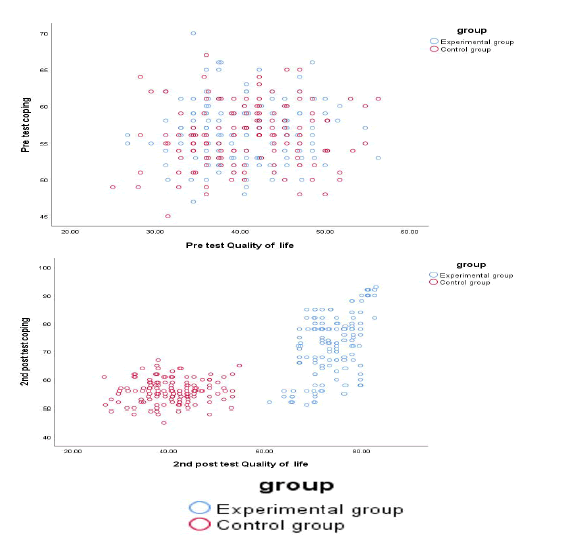
Fig. 2. Coping strategy and its impact on first and second post-test QoL.
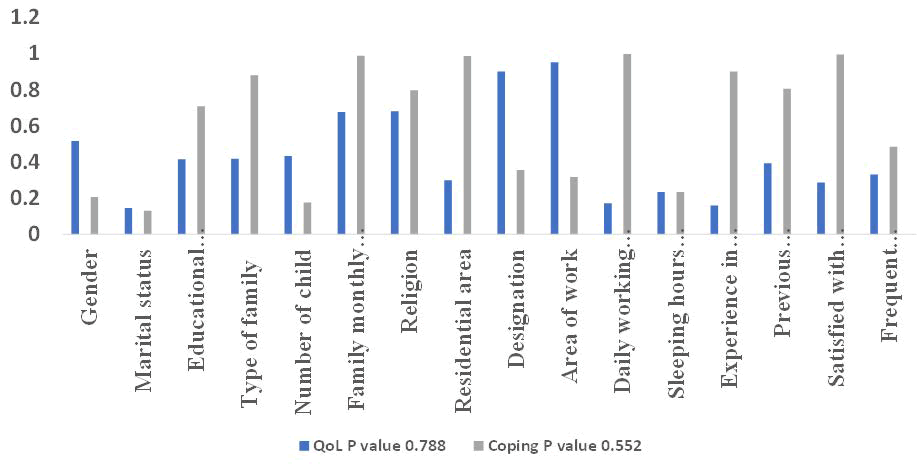
Fig. 3. Association between quality of life, coping of staff nurses in experimental group with their selected demographic variables
| Variables | ‘r’-value | p-value |
| QoL and coping (Post-test 1) | 0.373 | P<0.001***HS |
| QoL and coping (Post-test 2) | 0.373 | P<0.001***HS |
| Note: ***P<0.001 level HS: Highly Significant; NS: Not Significant | ||
Tab. 7. Correlation between quality of life and level of coping among staff nurses.
Discussion
The pretest assessment showed that the majority of staff nurses in both control (87.14%) and experimental (91.43%) groups had an average quality of life, while unfavorable coping was reported by 59.29% and 53.57% respectively. Repeated measures ANOVA revealed highly significant improvements in quality of life scores in the experimental group across pretest, first, and second posttests (F=2149.12, p<0.001). Mean differences between pre- and first post-test (22.98, t=47.79), pre- and second post-test (33.27, t=54.27), and first and second post-test (10.29, t=22.84) were all statistically significant. These findings align with prior studies demonstrating that structured interventions significantly enhance nurses’ perceived quality of life over time [8,9]. Similarly, coping scores improved significantly in the experimental group (F=156.42, p<0.001), with mean differences between pre- and first post-test (10.71, t=13.62), pre- and second post-test (15.83, t=16.17), and first and second post-test (5.11, t=5.32), supporting evidence from Patel et al. [10], who reported similar improvements in coping after resilience training programs.
Between-group comparisons using unpaired t-tests confirmed that the experimental group had significantly higher quality of life and coping scores than the control group in both post-tests (quality of life: 1st post-test mean difference=22.1, t=39.47; 2nd posttest mean difference=33.24, t=50.24; coping: 1st post-test mean difference=11.09, t=14.12; 2nd post-test mean difference=16.22, t=16.08; all p<0.001). Correlation analyses revealed a positive relationship between quality of life and coping, with mild correlation in the first post-test (r=0.373) and moderate correlation in the second (r=0.522), consistent with observations by with improved coping strategies were strongly associated with enhanced well-being among nurses [11,12]. No significant associations were found between quality of life or coping scores and demographic variables in either group at pretest, which corroborates findings from Johnson et al. and Santos and Oliveira [13,14], indicating that demographic factors often have limited impact on baseline levels of coping and quality of life.
Summary
The study examined demographic characteristics and the impact of motivational enhancement therapy on coping and quality of life among staff nurses in selected hospitals in Tamil Nadu. The experimental group included a higher proportion of younger nurses (54.29% aged 20–29) compared to the control group, which had more nurses aged 30-39. Females predominated in both groups, with a female-to-male ratio of about 3:1 in the experimental group and over 4:1 in the control group. Most nurses were married, especially in the experimental group (90%), lived in joint families, and came from rural backgrounds. Before the intervention, both groups reported average quality of life and mostly unfavorable or moderate coping levels, with no participants indicating favorable coping strategies.
Statistical analyses revealed that motivational enhancement therapy led to significant improvements in both coping and quality of life among nurses in the experimental group. Repeated measures ANOVA and paired t-tests showed highly significant gains across all measurement points (p<0.001). Post-test comparisons with the control group confirmed substantially higher scores for the intervention group. No significant associations were observed between demographic variables and pretest measures, suggesting that the improvements were due to the intervention rather than participant characteristics. Correlation analysis further indicated that as coping improved, quality of life also increased over time, demonstrating a meaningful positive relationship between these outcomes.
Conclusion
This study shows that motivational enhancement therapy is very effective in enhancing coping strategies and improving the quality of life for staff nurses, irrespective of their demographic backgrounds. The notable and lasting improvements observed underscore the necessity of including structured psychological interventions in nurse support programs to tackle occupational stress and enhance well-being. These results are especially pertinent for nurses operating in high-stress environments, such as oncology wards, where the emotional demands of caring for cancer patients can be significant. Future studies could investigate the long-term effects of these interventions, evaluate their efficacy across various healthcare settings, including oncology and palliative care units, and explore how integrating supplementary supportive strategies-like peer mentoring, digital resources, or regular booster sessions-might further improve coping abilities and bolster nurses’ resilience over time.
Limitations of the Study
This study has several limitations. The sample was drawn from a limited number of hospitals in Tamil Nadu, which may limit the generalizability of the findings to other settings or populations. The short follow-up period did not allow assessment of the long-term sustainability of improvements in coping and quality of life. Data collection relied on self-reported measures, introducing potential response and social desirability bias. Additionally, the lack of blinding of participants and investigators may have influenced perceptions of effectiveness. The relatively homogeneous demographic and professional backgrounds of participants further restrict the applicability of results to more diverse nursing groups, and the study did not formally assess the consistency or fidelity with which the motivational enhancement therapy was delivered. An important advantage of the study is that it provides strong evidence for the effectiveness of a structured, easily implementable intervention to enhance nurses’ coping skills and quality of life.
Acknowledgement
The authors would like to extend our heartfelt thanks to Vinayaka Mission Research Foundation their support and encouragement to carry out this study and complete successfully.
Financial Disclosure
None of the financial agency or grants are available for this research.
Data Access Statement
The corresponding author may provide study data upon reasonable request.
Conflicts of Interest
None to declare.
References
- JayendiraSankar P. Impact of quality of work life on job satisfaction: A case study on staff nurses of Thiruvallur district of Tamil Nadu. Int J Innov Res Manag Stud. 2018; 3:1-7.
- Kourakos M. Mental health and coping strategies among nursing staff in public health services. Prog Health Sci. 2017; 7:67-73.
- Tesfaye TD. Coping strategies among nurses in South-West Ethiopia: Descriptive, institution-based cross-sectional study. BMC Res Notes. 2018; 11:421.
[Crossref] [Google Scholar] [PubMed]
- Araujo Bastos Teixeira C, Gherardi-Donato E, Pereira S, Cardoso L, Reisdorfer E. Occupational stress and coping strategies among nursing professionals in hospital environment. Enferm Glob. 2016; 15:310-320.
- Kshetrimayum N, Bennadi D, Siluvai S. Stress among staff nurses: A hospital-based study. J Nat Sci Med. 2019; 2:95-100.
- Ofei AMA, Paarima Y, Barnes T, Kwashie AA. Stress and coping strategies among nurse managers. J Nurs Educ Pract. 2020; 10:39.
- Bodke P, Dhande V. Perceived stress among nurses working in tertiary care hospital: A cross-sectional study. Indian J Ment Health. 2018; 5:362.
- Smith A, Jones B, Patel R. Impact of stress management interventions on nurses’ quality of life. J Nurs Pract. 2018; 24:112-119.
- Gupta N, Sharma R. Effectiveness of structured training on quality of life among nursing staff. Int J Nurs Res. 2019; 7:45-51.
- Patel V, Kumar S, Mehta A. Resilience training and coping strategies among hospital nurses. Nurs Health Sci. 2020; 22:321-329.
- Lee H, Kim J. Relationship between coping strategies and quality of life among clinical nurses. Asian Nurs Res. 2017; 11:14-19.
- Ahmed S, Thomas P, Raj R. Coping mechanisms and their influence on nurses’ well-being. J Occup Health Nurs. 2021; 29:78-86.
- Johnson M, Brown C, Davis L. Demographic factors and perceived quality of life in nursing staff. J Health Psychol. 2016; 21:665-673.
- Santos F, Oliveira M. Determinants of coping and quality of life among hospital nurses: A cross-sectional study. BMC Nurs. 2020; 19:55.